



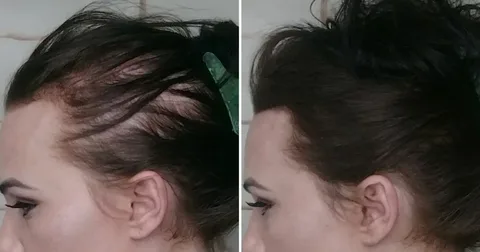
Hair loss is a topic that affects millions of women worldwide, yet it is often surrounded by misconceptions and stigma. Alopecia, the medical term for hair loss, can appear in different forms, ranging from thinning hair to complete bald patches. While hair loss in men is often discussed openly, women may experience it silently, which can affect self-esteem and emotional health. Understanding alopecia is essential to managing it effectively and finding the right approach for each individual.
Causes of Alopecia in Women
Alopecia in women can occur due to several factors:
- Genetics: Some women inherit genes that make them more prone to hair thinning.
- Hormonal Changes: Pregnancy, menopause, or conditions like polycystic ovary syndrome (PCOS) can trigger hair loss.
- Stress and Lifestyle: High stress levels and poor nutrition may contribute to hair shedding.
- Medical Conditions: Autoimmune disorders or thyroid problems can also lead to hair loss.
Recognizing the cause is the first step toward managing the condition effectively.
Early Signs and Symptoms
Alopecia often progresses gradually. Women may notice:
- Widening parts in the hair
- Increased shedding during brushing
- Thinning patches on the scalp
Even small changes can be early indicators. Consulting a dermatologist for a proper examination can help identify the type of alopecia and any underlying medical issues. Early intervention often improves treatment outcomes.
Treatment Options
Treatment for alopecia depends on the type and severity of hair loss. Common approaches include:
- Topical Solutions: Minoxidil is widely used to stimulate hair growth.
- Oral Medications: Prescribed in cases involving hormonal imbalance or autoimmune reactions.
- Lifestyle Adjustments: A balanced diet, stress management, and gentle hair care routines can help prevent further hair loss.
Emerging Therapies: Light-Based Treatments
In recent years, innovative therapies have become available. For example, Celluma Light Therapy is explored for its potential to stimulate hair follicles and improve scalp health. This low-level light therapy enhances circulation and cell activity, offering a non-invasive way to support hair regrowth. While research is ongoing, many women report positive outcomes when combining this therapy with conventional treatments.
Emotional Support and Coping Strategies
Hair loss can impact confidence, self-image, and social interactions. Emotional support is crucial:
- Support Groups: Connecting with others who face similar challenges can provide comfort.
- Counseling: Talking to a professional can help manage anxiety or low self-esteem.
- Alternative Styling: Wigs, scarves, or hairpieces can restore confidence during treatment.
Coping emotionally is just as important as physical treatment.
Prevention and Maintenance
While some factors like genetics cannot be changed, preventive care can reduce the risk of hair loss or slow its progression:
- Regular scalp check-ups
- Proper nutrition
- Avoiding harsh chemical treatments
- Gentle hair care practices
Paying attention to hair density, breakage, and shedding patterns is essential for early detection and better results.
Changing Perceptions about Hair Loss
It is important to remember that alopecia is not caused by poor hygiene or lifestyle choices. Hair loss can happen to anyone and should be approached with understanding rather than judgment. Educating women about the condition and setting realistic expectations for treatment can empower them to take proactive steps in maintaining hair health.
Conclusion
Alopecia in women is influenced by genetics, hormones, lifestyle, and overall health. Although hair loss can be distressing, several treatments, including topical medications, oral therapies, lifestyle adjustments, and emerging options like Celluma Light Therapy, offer hope for hair regrowth and scalp health. Emotional support, self-acceptance, and realistic goal-setting are equally important. By combining medical guidance with self-care, women can navigate alopecia confidently and take steps toward healthy hair management.