



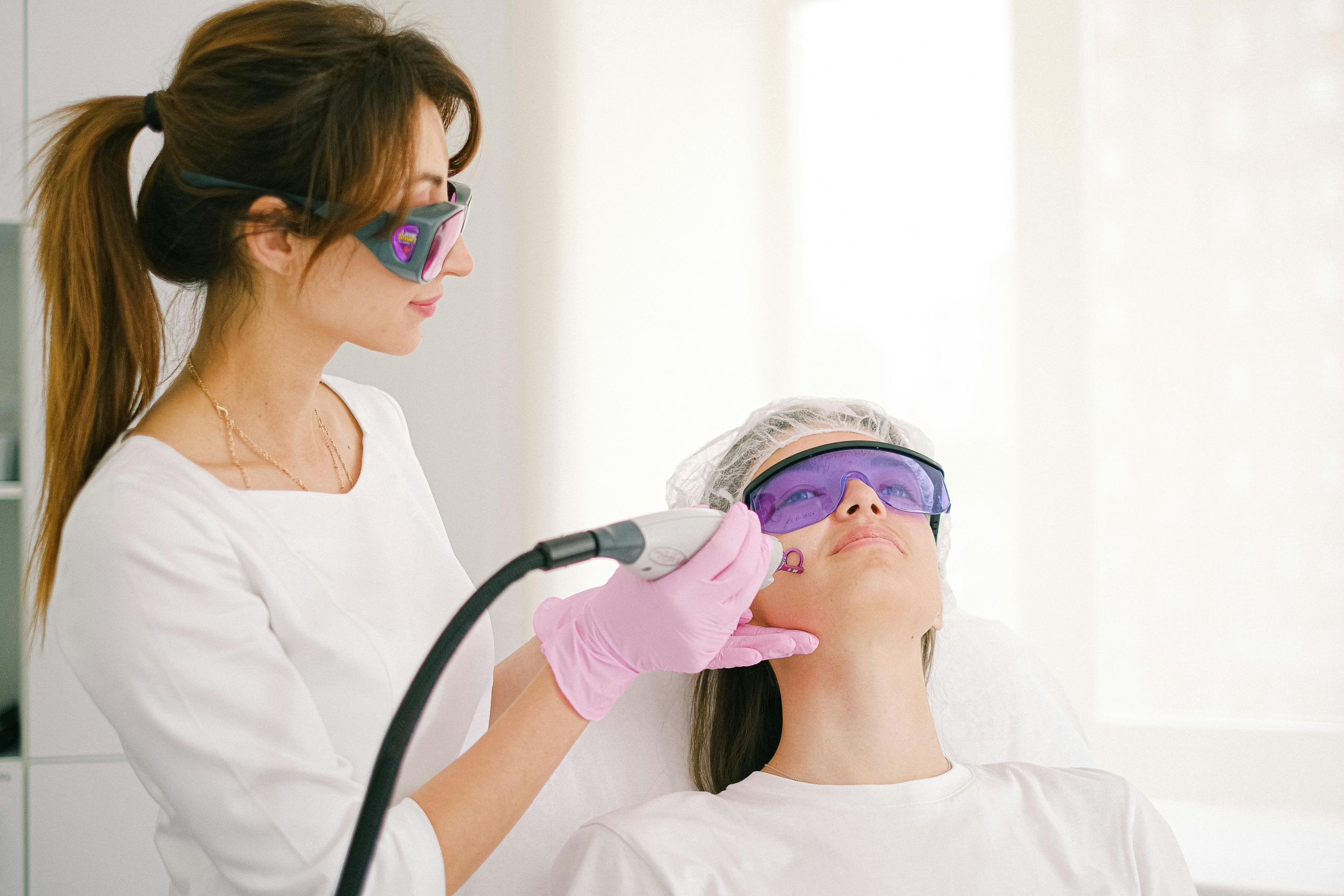
Healthy skin is closely connected to overall wellness, and many individuals seek professional guidance to better understand and care for their skin. As concerns about sun exposure, environmental stressors, aging, and chronic skin conditions continue to grow, a trusted dermatologist plays a vital role in helping people achieve long-term skin health. Because skin concerns vary widely from person to person, professional dermatologic care provides a reliable way to address issues at their source and build sustainable habits that promote a healthier future.
Supporting Skin Wellness Through Accurate Diagnosis
One of the most valuable aspects of working with a trusted dermatologist is receiving an accurate diagnosis. Skin issues can appear similar on the surface but often have different underlying causes. This makes professional evaluation essential, especially when symptoms persist or become disruptive. A dermatologist examines the skin closely, looks at patterns, and considers medical history to determine the most likely cause of the concern. This level of precision helps individuals avoid unnecessary treatments and instead focus on the most effective path toward healing.
Accurate diagnosis also reduces the risks associated with treating conditions without medical insight. Many people try over-the-counter products or home remedies before seeking help, but these solutions can irritate the skin or mask symptoms temporarily without addressing the root problem. Through early and precise evaluation, a dermatologist provides clarity and direction, allowing individuals to begin treatment with confidence and realistic expectations.
Promoting Preventive Care Through Early Detection
Preventive care is another essential aspect of dermatology. Skin health can change gradually, and early detection helps identify concerns before they become more serious. This includes monitoring moles, evaluating changes in pigmentation, addressing chronic conditions, and educating patients on ways to protect their skin from everyday stressors. Consistent dermatology visits encourage individuals to remain proactive, especially when it comes to sun exposure and aging-related concerns.
Early intervention often leads to more effective outcomes. When dermatologists identify issues promptly, they can recommend treatments that minimize long-term complications and support lasting wellness. Individuals who adopt preventive habits benefit from greater awareness, improved skin resilience, and reduced risk of developing more severe conditions. In the middle of this process, some patients turn to practices from trusted clinics such as Z-ROC Dermatology for comprehensive evaluation and professional guidance that aligns with long-term health goals.
Because the skin reflects lifestyle patterns, environmental exposure, and overall well-being, preventive care helps individuals understand the connection between daily habits and skin health. With this understanding, they can make informed decisions that support their skin for years to come.
Managing Chronic Skin Conditions Through Ongoing Treatment
Chronic skin conditions such as eczema, psoriasis, and acne often require long-term management. These conditions can influence comfort, confidence, and quality of life, making professional support especially important. A trusted dermatologist works with patients to create personalized treatment plans that respond to their symptoms, triggers, and changing needs. Because chronic conditions often fluctuate over time, ongoing care ensures that treatment remains effective and adaptable.
Dermatologists also help individuals understand the factors that may contribute to flare-ups, including stress, environmental changes, or lifestyle habits. Recognizing these patterns allows patients to manage their conditions more effectively and reduce the frequency or severity of symptoms. Through steady support, patients gain tools that help them navigate day-to-day challenges while maintaining healthier skin.
Furthermore, expert guidance helps individuals avoid treatment approaches that could worsen symptoms. Tailored care reduces trial-and-error and fosters a deeper understanding of what the skin needs to remain balanced and comfortable.
Enhancing Confidence Through Personalized Skin Support
Beyond medical treatment, dermatology also plays a role in supporting confidence and emotional well-being. Skin concerns can influence how individuals see themselves, and a trusted dermatologist helps them navigate these feelings with compassion and clarity. Personalized treatment plans provide reassurance and help individuals feel more in control of their skin health.
Because every person’s skin is unique, dermatologists take time to understand lifestyle patterns, sensitivities, and goals. This individualized approach helps build trust and encourages patients to stay committed to their care plan. As skin begins to improve, many individuals also experience a boost in self-esteem, which positively affects other areas of life.
Moreover, personalized support helps patients navigate the overwhelming number of skincare products and trends. With professional guidance, they can develop routines grounded in science rather than trial-and-error, reducing frustration and promoting more consistent results.
Strengthening Long-Term Wellness Through Professional Partnership
Dermatology is not only about addressing concerns when they arise but also about building a long-term partnership focused on maintaining healthy skin. A trusted dermatologist becomes a reliable resource for guidance, education, and ongoing support. Through regular check-ins, individuals can monitor changes, adjust care strategies, and stay aware of new developments in dermatologic research.
This partnership encourages individuals to take an active role in their skin health. With consistent support, they can develop habits that reduce future risks and sustain long-term wellness. Dermatologists also help patients stay informed about advancements in treatment options, which can offer more effective or less invasive solutions over time.
Ultimately, long-term dermatologic care strengthens the connection between daily well-being and skin health. When patients have access to accurate information and professional insight, they are better equipped to protect, nourish, and care for their skin in meaningful ways.