


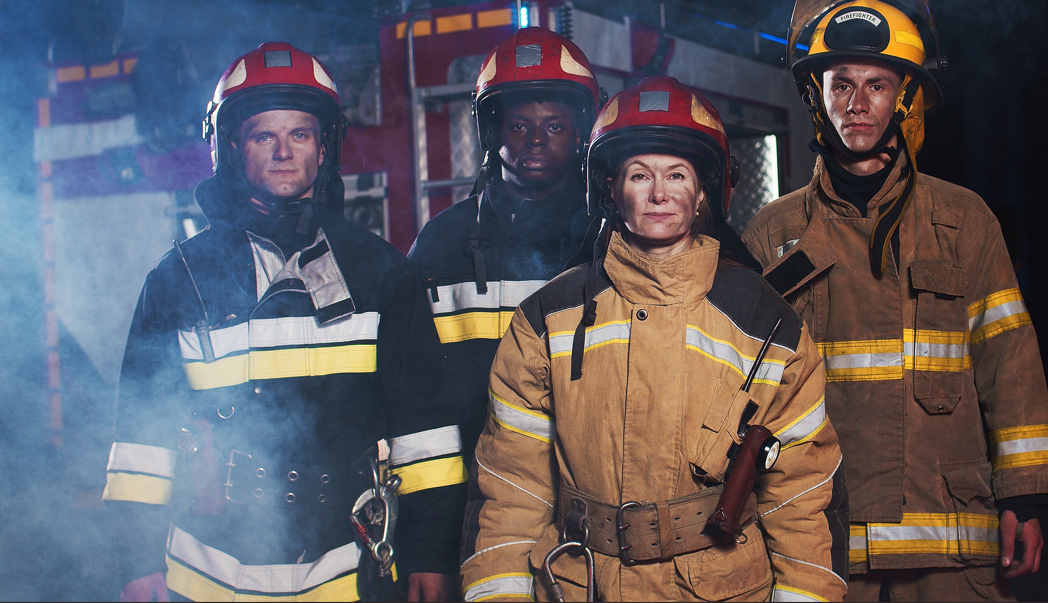
The evolution of firefighting equipment has transformed the way emergency responders tackle blazes and save lives. Today’s firefighters rely on sophisticated gear that balances protection, mobility, and functionality. Understanding these essential tools provides insight into the remarkable capabilities of modern fire service.
Personal Protective Equipment: The First Line of Defense
Modern turnout gear represents a significant advancement from earlier generations of firefighting apparel. Contemporary bunker gear features multiple layers of heat-resistant materials that shield firefighters from extreme temperatures while allowing moisture vapor to escape. This prevents both external burns and internal heat stress that could compromise a firefighter’s ability to perform.
The helmet has evolved into a carefully engineered piece of equipment that protects against falling debris, intense heat, and impact injuries. Integrated face shields provide eye protection while maintaining visibility in smoke-filled environments. Meanwhile, firefighting boots combine steel toe protection with puncture-resistant soles and heat-resistant construction that can withstand harsh conditions underfoot.
Gloves designed for firefighting must strike a delicate balance between protection and dexterity. Firefighters need to operate equipment, tie knots, and perform intricate rescue tasks while wearing heavy protective handwear. Modern gloves incorporate multiple layers with thermal barriers and moisture protection while preserving enough tactile sensitivity for detailed work.
Breathing Apparatus: Essential for Survival
Self-contained breathing apparatus remains one of the most critical pieces of equipment in any firefighter’s arsenal. These systems provide clean, breathable air in oxygen-depleted and toxin-filled environments where unprotected exposure would prove fatal within moments. Modern breathing apparatus features lighter materials, improved face seal technology, and integrated communication systems that allow firefighters to coordinate while operating in zero-visibility conditions.
The air tanks themselves have become more efficient, utilizing composite materials that reduce weight without sacrificing capacity. Heads-up displays now provide real-time information about remaining air supply, helping firefighters manage their time in hazardous zones more effectively.
Hand Tool: Forcible Entry and Rescue
Firefighters carry an impressive array of tools designed for rapid entry into structures and vehicle extrication. Halligan bars, axes, and pry bars remain fundamental for breaching doors and creating access points. Modern hydraulic rescue tools, often called spreaders and cutters, can tear through metal vehicle frames to free trapped occupants following accidents.
Thermal imaging cameras have revolutionized search and rescue operations by allowing firefighters to see through smoke and darkness. These devices detect heat signatures from victims or hidden fire extensions, dramatically improving the speed and safety of rescue efforts.
Hoses and Nozzles: Controlling the Element
The humble fire hose continues to serve as the primary weapon against flames, though modern versions incorporate synthetic materials that resist wear while remaining flexible in cold conditions. Different diameter hoses serve specific purposes, from initial attack lines that provide mobility to larger supply lines that deliver substantial water volume.
Nozzle technology has advanced to give firefighters precise control over water flow and spray patterns. Adjustable nozzles allow rapid transitions between straight streams for penetrating deep-seated fires and fog patterns for cooling hot gases or providing protective barriers.
Specialized Equipment: The Skid Unit Advantage
Fire departments increasingly rely on versatile equipment that can be rapidly deployed in various scenarios. A Skid Unit offers a practical solution for departments needing portable firefighting capability. These compact systems can be mounted in pickup truck beds or transported to remote locations where traditional apparatus cannot reach. Equipped with pumps, tanks, and hose reels, these units prove invaluable for wildland firefighting, rural response, or supplementing primary apparatus at large incidents. Their modularity allows departments to configure them for specific local needs while maintaining the flexibility to adapt as situations demand.
Communication Systems: Coordinating Complex Operations
Modern radio systems keep firefighters connected with command staff and each other throughout an incident. Portable radios now feature better audio clarity in noisy environments, longer battery life, and emergency alert functions that activate automatically if a firefighter becomes motionless. Some departments have begun integrating accountability systems that track personnel locations within structures, enhancing safety management during operations.
Looking Forward
The continuous evolution of firefighter equipment reflects ongoing commitment to responder safety and effectiveness. As materials science advances and technology becomes more sophisticated, tomorrow’s firefighters will have even better tools to face the challenges of protecting their communities. Each piece of equipment represents lessons learned from past incidents and dedication to bringing every firefighter home safely after each call.
