



Multiple Myeloma is a cancer of the plasma cells—a specific type of white blood cell found in the bone marrow. In a healthy body, plasma cells are the defenders of the immune system, producing antibodies that attack germs and infections. However, in patients with myeloma, these cells undergo a malignant transformation. Instead of producing helpful antibodies, they produce abnormal proteins (often called M-proteins) that can damage the kidneys and crowd out healthy blood cells in the bone marrow. This leads to a cascade of symptoms including anemia, bone pain, kidney dysfunction, and recurrent infections. While considered a treatable but generally incurable disease, the landscape of management has shifted dramatically. Central to this evolution is the STEM CELL Multiple Myeloma transplant, a procedure that has become the standard of care for eligible patients, offering deep remission and significantly prolonged survival.
The Biological Rationale: High-Dose Therapy
To understand the necessity of a transplant, one must understand the limitation of standard chemotherapy. Myeloma cells are sensitive to chemotherapy, particularly alkylating agents like melphalan. However, the dose required to kill the maximum number of cancer cells is so high that it would permanently destroy the patient’s healthy bone marrow—the factory for all blood cells.
This is where the stem cell transplant acts as a vital “rescue” mechanism. The procedure is technically termed “high-dose chemotherapy with autologous stem cell rescue.” The stem cells are not the treatment itself; rather, they enable the administration of the lethal dose of chemotherapy. By harvesting the patient’s own healthy stem cells before the intense treatment and re-infusing them afterward, oncologists can aggressively target the tumor burden while ensuring the patient’s blood-forming system can recover.
The Autologous Gold Standard
In the context of Multiple Myeloma, the vast majority of transplants are autologous, meaning the donor and the recipient are the same person. This is distinct from allogeneic transplants (using a donor), which are rarely used for myeloma due to higher risks of complications like Graft-Versus-Host Disease (GVHD).
The autologous process eliminates the risk of rejection, as the body recognizes the cells as its own. It is a highly choreographed sequence of events managed by specialized hematology units at institutions likeLiv Hospital.
The Transplant Journey: A Step-by-Step Protocol
The road to transplantation is typically divided into four distinct phases, each critical to the overall success of the therapy.
- Induction Therapy Before a transplant can even be considered, the active disease must be brought under control. Patients undergo several months of “induction” therapy using a combination of novel agents (such as proteasome inhibitors and immunomodulatory drugs) and steroids. The goal is to reduce the number of myeloma cells in the body as much as possible before harvesting stem cells.
- Mobilization and Collection (Apheresis) Once induction is complete, the patient receives growth factor injections (G-CSF) to stimulate the bone marrow to release stem cells into the bloodstream. These cells are then collected via an apheresis machine—a device that separates the stem cells from the blood and returns the remaining blood to the patient. The collected cells are frozen (cryopreserved) for future use.
- Conditioning and Infusion This is the core of the treatment. The patient is admitted to the hospital and receives a high dose of chemotherapy (conditioning regimen) to wipe out the remaining cancer cells in the marrow. A day or two later, the frozen stem cells are thawed and infused back into the patient’s bloodstream through a catheter, similar to a blood transfusion.
- Engraftment and Recovery Following the infusion, the patient enters the “nadir”—a period where blood counts are extremely low. During this time, they are highly susceptible to infection and require isolation in specialized HEPA-filtered rooms. Supportive care, including antibiotics and transfusions, is provided until “engraftment” occurs—the moment the transplanted stem cells begin producing new, healthy blood cells, usually within 10 to 14 days.
Determining Eligibility
Not every patient with Multiple Myeloma is a candidate for a transplant. Decisions are based on “physiological age” rather than chronological age. Factors such as kidney function, heart health, and overall physical fitness (performance status) play a larger role than the number of candles on a birthday cake. However, advancements in supportive care have expanded eligibility, allowing many patients up to age 70 or even 75 to undergo the procedure safely.
Consolidation and Maintenance
A stem cell transplant is rarely the end of the treatment road for myeloma. To sustain the remission achieved by the transplant, most patients start “maintenance therapy”—a lower-dose regimen of medication taken for an extended period. This strategy suppresses any residual microscopic disease and has been proven to significantly delay the return of the cancer.
The Future: Tandem Transplants and Beyond
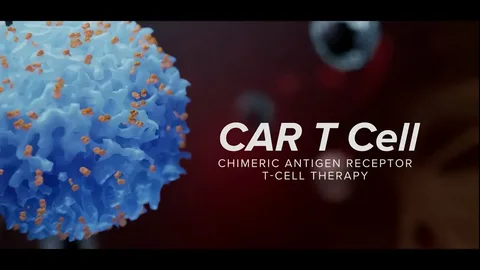
In certain high-risk cases, oncologists may recommend a “tandem transplant”—two autologous transplants performed within 6 months of each other. Furthermore, the field is rapidly integrating newer immunotherapies, such as CAR T-cell therapy and bispecific antibodies, which may eventually complement or, in some cases, serve as alternatives to traditional transplantation for relapsed patients.
Living with Resilience
Recovery from a stem cell transplant is a gradual process that extends well beyond hospital discharge. Fatigue is common, and the immune system takes months to fully mature. Patients must navigate a “new normal,” balancing necessary precautions with the desire to return to daily life. This transition is as much mental as it is physical. Adopting a lifestyle that prioritizes anti-inflammatory nutrition, gentle restorative movement, and stress reduction is crucial. By engaging with wellness resources that empower them tolive and feel actively involved in their recovery, survivors can maximize their health outcomes, turning a complex medical journey into a pathway for sustained vitality.
