


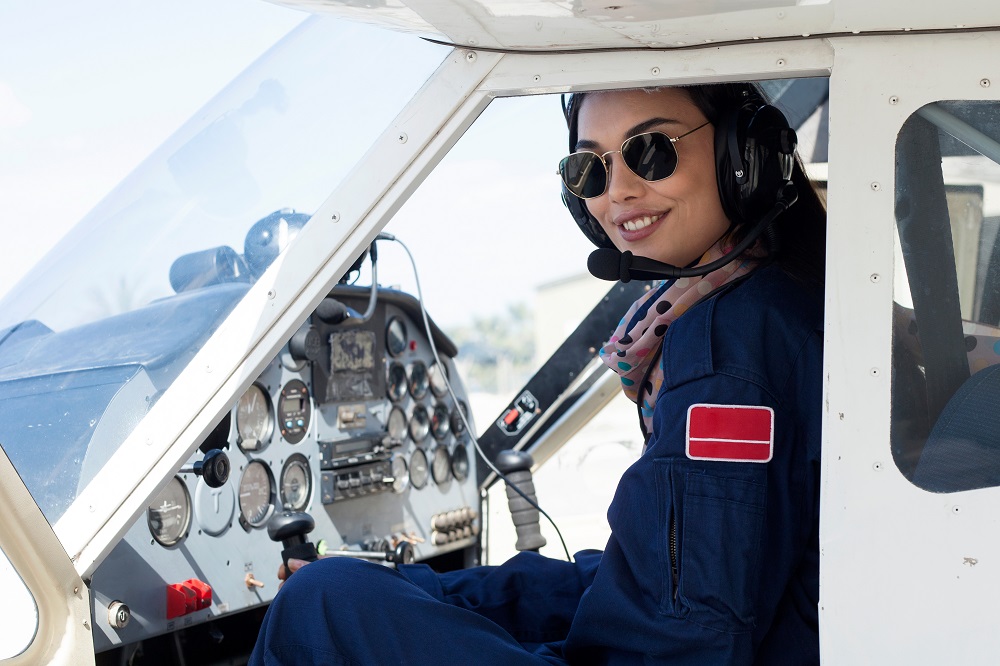
Becoming a pilot is an exciting journey that blends passion, discipline, and commitment. Whether you dream of flying commercial airliners or smaller private aircraft, each step toward earning your wings has an important purpose. Understanding the qualifications early helps you prepare smarter and more confidently for training.
From education to health requirements, every stage ensures you’re fully equipped for the responsibilities of flight. This guide walks you through the essential qualifications you’ll need before stepping into the cockpit. It’s designed to be practical, approachable, and helpful for anyone exploring aviation as a future career. Let’s take a closer look at the path that leads you into the skies.
Education Requirements
A strong educational foundation helps set the stage for success in aviation. Most aspiring pilots begin with a high school diploma or its equivalent, which is considered the minimum requirement. Subjects like math, physics, and English are especially helpful, as they support the technical and communication skills important in flying.
Many students also pursue additional coursework or degrees to strengthen their understanding of aviation and aeronautics. Some flight schools, such as those in Sun City, may encourage further academic preparation, like taking professional pilot courses, to help build confidence in pilot training and credentials. While a college degree is not always mandatory, it can be beneficial for certain aviation careers. Overall, having solid educational preparation ensures you’re ready for the training ahead.
Medical Evaluation
Before beginning pilot training, every applicant must complete a thorough physical examination to confirm overall health and fitness. This exam focuses on essential areas such as vision, hearing, cardiovascular strength, and general physical condition. Its purpose is to ensure you can safely handle the demands and responsibilities that come with operating an aircraft. Most candidates complete this standard aviation medical exam as part of applying for their required medical certificate.
In certain situations where additional assessment is needed, a specialist such as an FAA HIMS AME may become involved to evaluate psychiatric or substance-related concerns. These specialized evaluations exist to maintain the high safety and mental health standards expected in aviation. By understanding both the general and specialized aspects of medical screening, you can approach this step with clarity and confidence.
Flight Training and Practical Experience
Flight training is where your aviation knowledge truly comes to life. Under the instruction of certified flight trainers, you’ll learn the skills needed to handle aircraft safely and efficiently. Training typically includes ground school, simulator practice, and in-air experience. Each lesson builds confidence and precision as you progress through the program.
You’ll also complete required flight hours to qualify for various pilot certificates and ratings. Throughout this process, you’ll gain situational awareness, communication skills, and decision-making abilities essential for pilots. By the time you complete training, you will have developed a strong foundation for professional or recreational flying.
Licensing and Certification
After training, the next step is earning the appropriate pilot licenses and certifications. These qualifications show you have met both skill and knowledge standards required by aviation authorities. Licenses range from a private pilot certificate all the way to commercial and airline transport credentials. Each level opens new opportunities and responsibilities in the aviation field.
To earn these certifications, you must pass written exams, oral tests, and practical flight evaluations. Every requirement is designed to ensure that pilots uphold safety and preparedness in the cockpit. With each certification earned, you move closer to achieving your aviation goals.
English Language Proficiency
English is the international language of aviation, making proficiency essential for all pilots. Clear communication ensures that you can understand air traffic control instructions and coordinate effectively during flight. Aviation authorities require pilots to demonstrate the ability to speak, read, write, and comprehend English during exams or evaluations. This requirement helps prevent misunderstandings that could affect safety.
Even if English is not your first language, many training programs include support to help you build communication skills. Strong proficiency also enhances your confidence when flying in different regions or controlled airspace. Overall, mastering aviation English is a valuable skill that supports safe and efficient operations.
Background Checks and Security Clearance
Many aviation careers require background checks to ensure the safety of passengers, crew, and aircraft. These checks help verify your identity, history, and eligibility for certain certifications. Some flight schools or airports may require additional security clearance, especially if your training involves restricted areas. This process is a standard part of aviation safety protocols across many countries.
While it may sound intimidating, most checks are routine and straightforward to complete. Being prepared for this step helps you move smoothly through administrative requirements without delays. With proper documentation and honesty, you can confidently meet the security standards expected in aviation.
Conclusion
Becoming a pilot requires preparation, dedication, and a clear understanding of the qualifications involved. From education to medical evaluations and flight training, each step strengthens your ability to perform with confidence and professionalism. These requirements also help establish a safe, reliable foundation for your future in aviation. Whether you’re just starting your research or preparing for training, knowing what to expect makes the journey smoother. The path may be challenging, but the reward of flying is well worth the effort. With the right guidance and commitment, the sky truly becomes within reach. Your aviation journey can begin today—one qualification at a time.
