



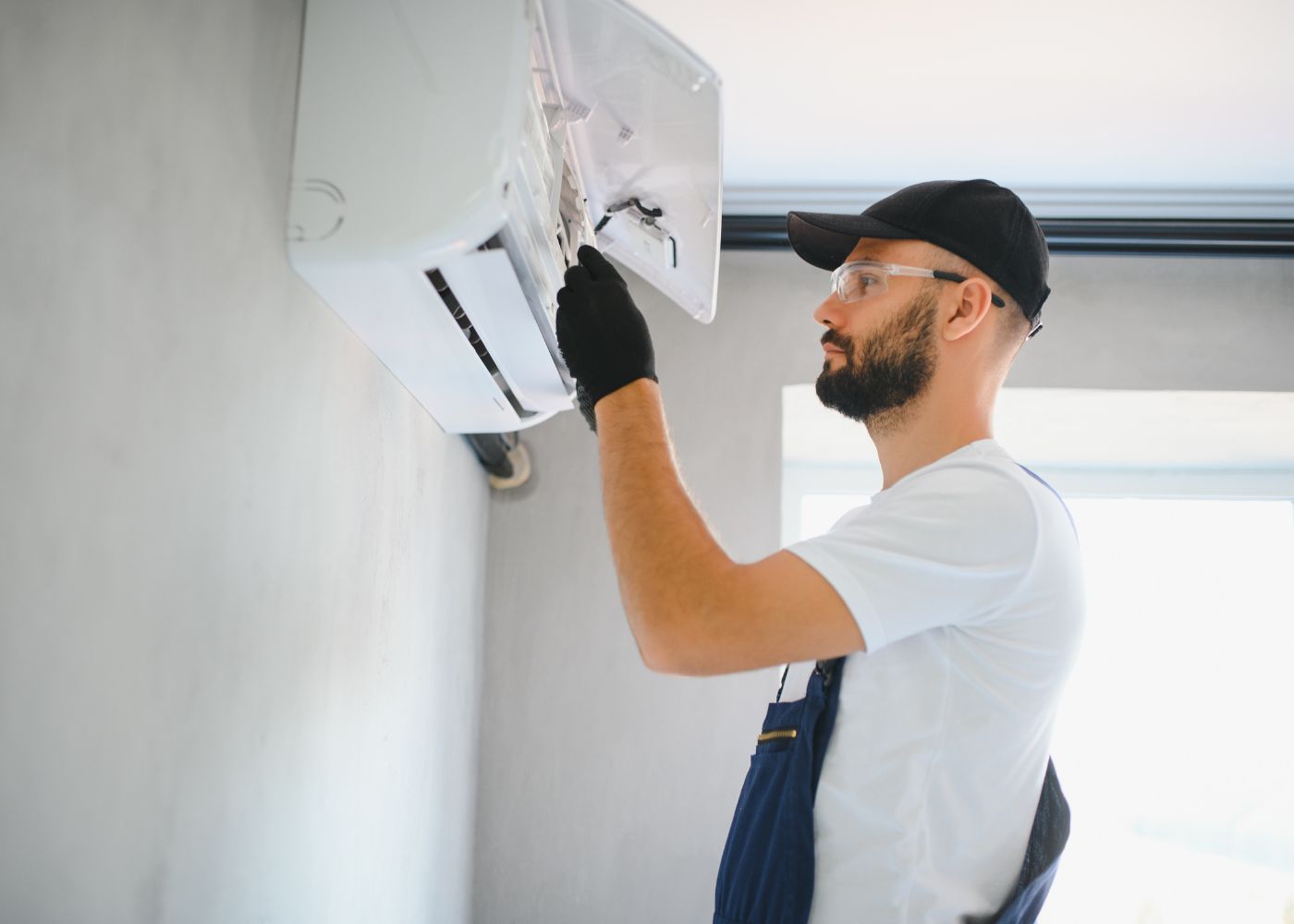
Air conditioning systems represent major home investments affecting comfort, energy costs, and indoor air quality for 15 to 20 years or longer. While selecting the right equipment matters, choosing qualified installation contractors proves equally critical to system performance, efficiency, and longevity. Installation quality directly determines whether expensive HVAC equipment delivers promised benefits or disappoints through poor performance and premature failures. Here are five compelling reasons why carefully selecting AC installation companies deserves thorough research and consideration rather than simply choosing the lowest bidder.
Ensure Proper System Sizing and Equipment Selection
Correctly sized air conditioning systems operate efficiently, maintain consistent comfort, and last their expected lifespans. Oversized or undersized equipment creates problems that even perfect installation cannot overcome, making proper sizing calculations essential to successful installations.
Load calculations using the Manual J methodology account for home size, insulation levels, window characteristics, orientation, occupancy, and climate factors, determining precise cooling requirements. Professional contractors perform detailed calculations rather than using outdated rules of thumb or simply matching existing equipment capacity.
Oversized systems cycle on and off frequently without running long enough to dehumidify the air properly. Short cycling wastes energy, creates temperature swings, leaves homes feeling clammy, and accelerates equipment wear through constant startups.
Undersized systems run continuously during hot weather, failing to maintain comfortable temperatures while consuming excessive energy and wearing components through constant operation without adequate rest periods.
Equipment matching to calculated loads requires understanding manufacturer specifications, efficiency ratings, and feature sets. Experienced contractors recommend appropriate systems balancing performance, efficiency, features, and budget rather than pushing whatever equipment provides them the highest profit margins.
Click here to find out more about how professional load calculations and equipment selection ensure optimal system performance and efficiency from day one.
Guarantee Quality Installation Following Manufacturer Standards
Even perfectly sized equipment fails to perform properly when installed incorrectly. Professional installation following manufacturer specifications and industry best practices ensures systems operate as designed rather than underperforming due to installation defects.
Refrigerant charging requires precise measurements and procedures. Overcharged or undercharged systems operate inefficiently, fail to cool properly, and experience premature compressor failures. Professional contractors use proper gauges, follow charging protocols, and verify correct refrigerant levels.
Ductwork sizing, sealing, and insulation dramatically affect system performance. Quality installers assess duct systems, seal leaks, insulate exposed runs, and modify ductwork when necessary, ensuring proper airflow throughout homes.
Electrical connections, including proper wire sizing, disconnect switches, and circuit protection, must meet code requirements and manufacturer specifications. Incorrect electrical work creates fire hazards, trips breakers, and damages equipment.
Condensate drainage systems require proper slope, trap configuration, and drain line installation, preventing water damage from clogs or improper drainage. Professional installation includes testing drainage under operating conditions.
Thermostat placement and programming affect comfort and efficiency. Experienced installers position thermostats away from heat sources and drafts while programming systems appropriately for homeowner schedules and preferences.
Protect Warranty Coverage and Manufacturer Support
Air conditioning manufacturers provide equipment warranties covering defects and component failures, but these valuable protections require professional installation by licensed contractors. Improper installation voids warranties, eliminating coverage for expensive repairs.
Installation warranties from manufacturers typically require documentation showing licensed contractor installation following specifications. DIY installations or work by unlicensed handymen void these warranties regardless of installation quality.
Extended warranty options and enhanced coverage that manufacturers offer frequently require professional installation as a prerequisite. Homeowners lose access to these valuable protection programs when using unqualified installers.
Manufacturer technical support and troubleshooting assistance improve when systems are professionally installed. Manufacturers cooperate with licensed contractors they recognize while providing limited support for questionable installations.
Proof of proper installation through permits, inspections, and contractor documentation becomes essential if warranty claims arise. Professional contractors provide the necessary paperwork demonstrating a compliant installation.
Parts availability and warranty service from manufacturers prioritize contractors maintaining good standing through proper installations and customer satisfaction. Quality installers receive better support than those with problem histories.
Ensure Code Compliance and Safety Standards
Building codes, electrical codes, and mechanical codes govern AC installation, establishing safety standards and performance requirements. Licensed professional contractors ensure compliant installations, while unlicensed operators often violate codes, creating safety hazards.
Permit requirements for AC installation exist in most jurisdictions. Professional contractors obtain necessary permits, schedule required inspections, and ensure work passes inspection rather than performing unpermitted work, risking code violations.
Electrical safety, including proper grounding, disconnect placement, and circuit protection, prevents fires and electrocution hazards. Licensed electricians or HVAC contractors with electrical qualifications perform safe electrical work meeting code requirements.
Refrigerant handling regulations under EPA Section 608 require proper certification. Licensed contractors hold appropriate certifications for purchasing, handling, and disposing of refrigerants legally, while unlicensed operators violate federal regulations.
Combustion safety for homes with gas furnaces or other combustion appliances requires ensuring adequate combustion air and proper venting. Professional contractors assess and maintain safe conditions that amateur work might compromise.
Carbon monoxide risks from improper installations or inadequate combustion air create deadly hazards. Professional installation prevents these dangers through proper procedures and safety verification.
Receive Ongoing Service and Maintenance Support
AC installation begins long-term relationships with service providers. Choosing established, reputable companies ensures availability for maintenance, repairs, and support throughout system lifespans.
Maintenance programs offered by installation companies provide preventive care, extending equipment life and maintaining efficiency. These programs often include priority service and discounted repairs for program members.
Emergency service availability from contractors who installed systems ensures familiarity with equipment and installation specifics when urgent repairs become necessary. They understand system configurations and potential issues.
Parts inventory and supplier relationships maintained by established contractors mean faster repairs through ready parts access. Long-standing companies stock common parts and have established supplier networks.
Service history knowledge from installing equipment helps technicians troubleshoot problems efficiently. Understanding original installation details and any modifications made assists in diagnosis and repair.
Making Informed Choices
AC installation company selection profoundly impacts system performance, efficiency, longevity, warranty protection, safety, and ongoing support. Research contractors thoroughly, verify licensing and insurance, check references, compare detailed proposals, and select based on qualifications and reputation rather than just price. Your air conditioning investment deserves professional installation, ensuring comfort, efficiency, and reliability throughout its service life. Choose carefully and experience the difference that quality installation makes.