



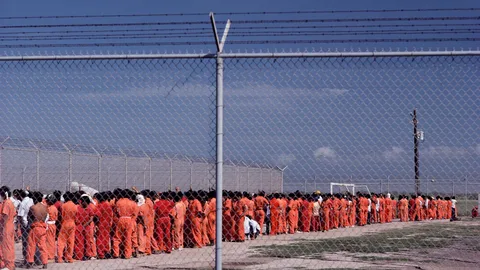
Immigration detention plays a significant role in the U.S. immigration enforcement system. In Texas, several facilities house individuals who are awaiting immigration court proceedings, removal, or administrative decisions. Understanding how these facilities operate can help people better understand the legal processes surrounding immigration detention.
Texas hosts many of the largest immigration detention centers in the country, making it an important region for immigration enforcement and legal review.
Why Immigration Detention Is Used
Immigration authorities may detain individuals for several reasons. In many cases, detention occurs while a person waits for immigration court hearings or when authorities are preparing for removal proceedings.
Detention can also be used when officials believe that someone might not appear for future court dates or when specific immigration laws require custody during certain legal processes.
Although detention is authorized under federal law, it must still comply with constitutional protections and legal limits.
Major Immigration Detention Centers in Texas
Texas contains numerous detention facilities operated either directly by federal agencies or through government contractors. These facilities are located across the state and are connected to different regional field offices.
Some well-known immigration detention centers in Texas include facilities in cities such as Pearsall, Conroe, Eden, and Livingston. Each facility houses individuals whose immigration cases are pending or under review.
Because Texas is geographically close to the southern border and has a large immigration court system, many detainees are processed through facilities in the state.
What Happens After a Person Is Detained
After someone enters immigration detention, several legal steps usually follow. The individual may receive a Notice to Appear, which begins removal proceedings in immigration court.
During this time, detainees may attend hearings where an immigration judge reviews the case. Depending on the circumstances, individuals may apply for immigration relief, request bond, or pursue appeals through the immigration court system.
While these proceedings are ongoing, the person may remain in custody unless release is granted.
When Detention Length Becomes a Legal Concern
Although immigration detention is permitted, the government cannot hold individuals indefinitely without legal justification. If detention continues for a long time without clear progress in the case, legal questions may arise about whether the custody remains lawful.
Federal courts sometimes review detention cases to ensure that constitutional protections are respected and that detention is not prolonged without valid legal grounds.
In situations where detention raises legal concerns, individuals may consult a Texas Habeas Corpus Attorney to evaluate whether a federal court petition challenging the legality of detention may be appropriate.
The Importance of Legal Oversight
Judicial oversight helps maintain accountability within the immigration detention system. Courts can review whether detention practices comply with federal law and constitutional protections.
This oversight ensures that immigration enforcement remains balanced with the protection of individual rights.
Conclusion
Immigration detention facilities in Texas play a major role in the enforcement of U.S. immigration laws. These facilities hold individuals while their immigration cases are processed through the legal system.
By providing legal review mechanisms and court oversight, the system ensures that detention decisions remain subject to legal standards and constitutional protections.