



Introduction
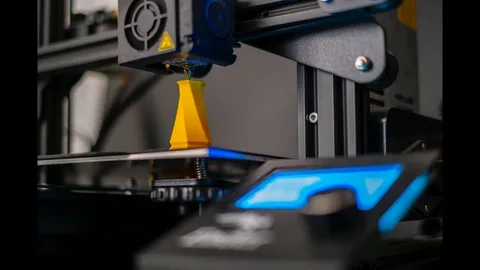
The market for additive manufacturing is growing rapidly, and businesses involved in selling 3D printed components are constantly refining how they price their products. Developing effective Pricing Strategies for Sales of 3D Printed Parts is essential for balancing profitability, competitiveness, and customer satisfaction. Whether you are producing prototypes, custom components, or end-use products, pricing plays a critical role in long-term success.
In niche manufacturing segments—such as firearm-related aftermarket components like Polymer 80 style frames—pricing decisions become even more strategic due to compliance, customization levels, and perceived product value.
Understanding Pricing Strategies for Sales of 3D Printed Parts
Pricing strategies refer to the structured approaches businesses use to determine how much to charge for their 3D printed products. Unlike mass manufacturing, 3D printing allows for flexibility in design and production, which means pricing is not one-size-fits-all.
Companies producing parts similar in complexity or customization to Polymer 80 components often need to consider material costs, machine time, and post-processing effort when setting prices.
Cost-Based Pricing
Cost-based pricing is one of the most straightforward approaches. It involves calculating the total cost of production and adding a fixed profit margin.
Key Cost Factors:
- Raw materials (filaments, resins, powders)
- Machine operating time
- Labor and finishing work
- Maintenance and overhead
For example, if a business produces durable functional parts comparable to Polymer 80 frames, the cost of reinforced polymers and precision finishing can significantly influence the final price.
However, while cost-based pricing is simple, it does not always capture the full market value of highly customized or specialized 3D printed parts.
Value-Based Pricing
Value-based pricing focuses on what customers are willing to pay rather than just production costs. This strategy is especially effective in industries where customization and performance matter more than raw material value.
For instance, a custom-designed component inspired by Polymer 80 builds may have a higher perceived value due to its precision engineering, ergonomic design, or enhanced durability.
Advantages of Value-Based Pricing:
- Maximizes profit margins on unique designs
- Reflects customer demand and perceived utility
- Encourages innovation in product development
Businesses selling premium 3D printed parts often outperform competitors when they successfully communicate value beyond basic manufacturing.
Competitive Pricing in the 3D Printing Market
Competitive pricing involves analyzing what others in the market are charging and positioning your prices accordingly. In the rapidly evolving 3D printing industry, this strategy helps maintain relevance.
If multiple vendors are producing similar components, such as aftermarket frames or accessories like Polymer 80, pricing must remain competitive without sacrificing quality.
Strategies Used:
- Price matching competitors
- Slight undercutting for market entry
- Offering bundled services (design + printing + finishing)
However, constant price competition can reduce profitability if not balanced with innovation and efficiency.
Case Study: Polymer 80 and Market Positioning
The brand Polymer 80 is often referenced in discussions about modular firearm components and custom-built frames. While not directly a 3D printing company, it represents a segment of the market where customization, material strength, and user preference strongly influence pricing.
Businesses inspired by the Polymer 80 model often adopt hybrid pricing strategies that combine cost-based and value-based approaches. For example, limited-run or custom-fit designs may be priced significantly higher due to their specialized nature.
In some aftermarket ecosystems, the reputation associated with Polymer 80-style products can also affect perceived value, allowing sellers to justify premium pricing for high-quality 3D printed alternatives.
Factors Influencing Pricing of 3D Printed Parts
Several variables affect how companies set prices in this industry:
1. Material Type
High-performance polymers, composites, or reinforced filaments increase production costs.
2. Design Complexity
Intricate geometries require longer print times and more post-processing.
3. Production Volume
Bulk production lowers per-unit cost, while custom single prints are more expensive.
4. Market Demand
High demand for specialized components similar to Polymer 80 products can drive prices upward.
5. Post-Processing Requirements
Sanding, curing, or machining adds additional labor costs.
Common Mistakes in Pricing 3D Printed Parts
Many businesses struggle with pricing due to misjudging costs or market expectations.
Frequent Errors:
- Underpricing to attract customers, leading to losses
- Ignoring machine depreciation and maintenance costs
- Failing to account for design time
- Copying competitor prices without understanding their cost structure
Companies producing specialized items similar to Polymer 80 components must be particularly careful, as underpricing complex parts can quickly become unsustainable.
Conclusion
Developing effective Pricing Strategies for Sales of 3D Printed Parts requires a careful balance of cost awareness, market understanding, and value perception. Whether using cost-based, value-based, or competitive pricing models, success depends on aligning price with both production realities and customer expectations.
In niche markets where customization is key—such as products inspired by Polymer 80—pricing becomes even more strategic. Businesses that can effectively communicate value while maintaining efficient production will have a strong competitive advantage in the evolving world of 3D printing.