



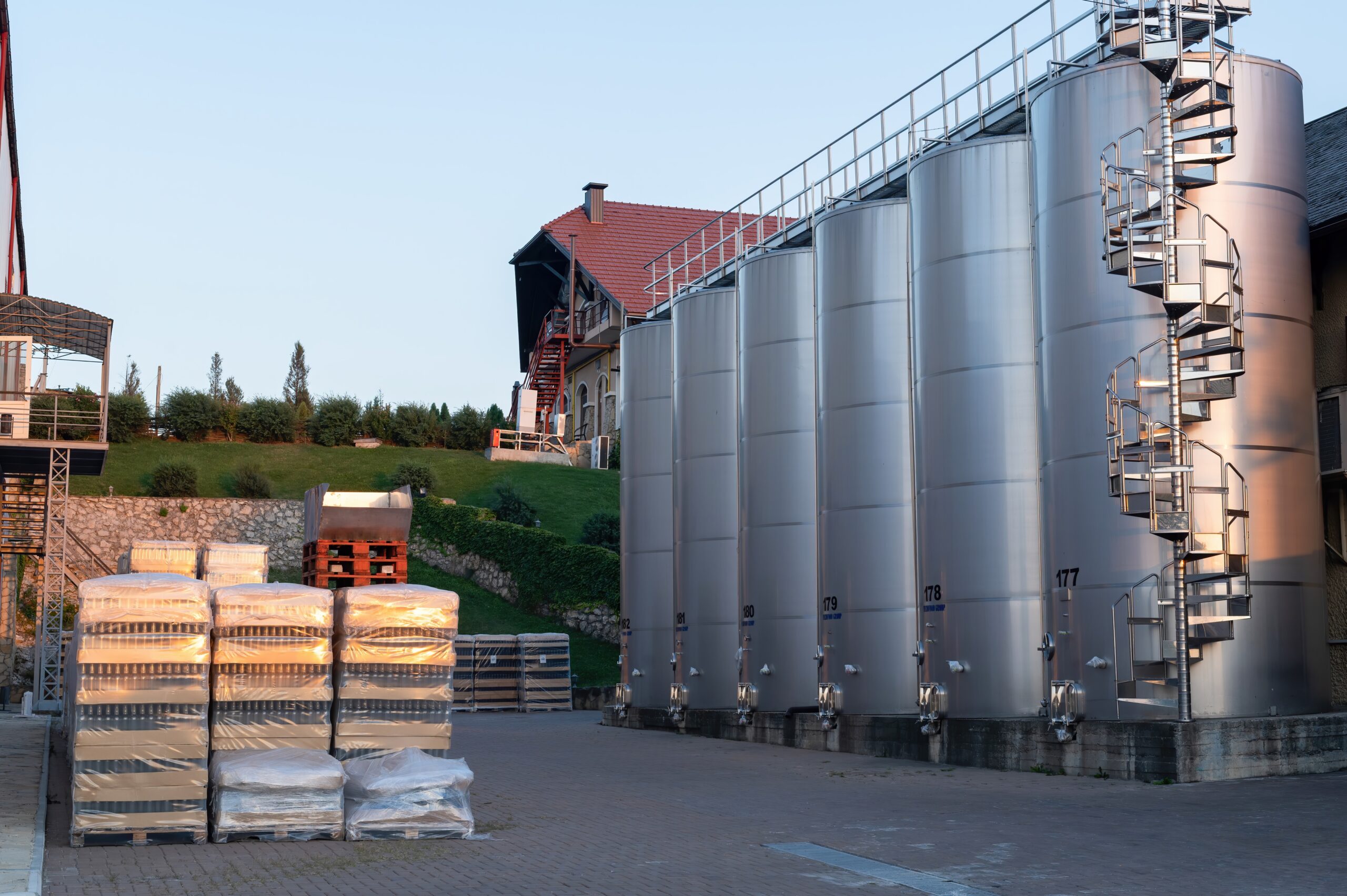
Water storage plays an important role in maintaining a reliable water supply for homes, farms, and businesses. A 1000 gallon vertical water tank is a popular option because it offers substantial storage capacity while using less ground space than wider tank designs. From collecting rainwater to supporting irrigation systems and emergency reserves, these tanks can serve a variety of purposes in different environments.
However, not all water tanks are built the same. Choosing the right one involves more than comparing prices or picking the first available option. Factors such as material quality, installation requirements, intended usage, and long-term durability can significantly affect the tank’s performance and lifespan. Understanding what to look for before making a purchase can help ensure you invest in a water storage solution that meets your needs both now and in the future.
Evaluating Available Installation Space
Before purchasing a 1000 gallon vertical water tank, it is essential to assess the space where the tank will be installed. Vertical tanks are designed to maximize storage while minimizing ground coverage, but their height and diameter still need to fit properly within the designated area. Buyers should measure the installation site carefully and ensure there is adequate room for delivery, placement, and future maintenance access.
The ground condition is equally important when preparing for installation. A fully filled 1000 gallon tank becomes extremely heavy, so the foundation must be level and capable of supporting the weight. Concrete pads, compacted gravel, or reinforced surfaces are commonly used to maintain stability and prevent shifting over time. Proper placement can extend the life of the tank and reduce the risk of structural problems.
Choosing Durable Tank Materials
The material of the tank directly affects its durability, resistance to weather, and maintenance requirements. Many 1000 gallon vertical water tanks, like those available at USA Tank, are made from polyethylene because it is lightweight, corrosion-resistant, and suitable for different environmental conditions. Polyethylene tanks are also less likely to rust compared to metal tanks, making them a popular choice for long-term water storage.
Buyers should also consider whether the tank is rated for potable water use if drinking water storage is required. Food-grade materials help maintain water quality and prevent contamination. In areas with strong sunlight exposure, UV-resistant materials are beneficial because they help minimize cracking, fading, and algae growth caused by heat and sunlight. Selecting a high-quality material ensures the tank remains reliable for years.
Considering Water Usage Requirements
Understanding how the stored water will be used can help determine the best tank features and specifications. Residential users may need a tank for backup water storage or landscaping, while agricultural operations may require a higher flow rate for irrigation systems. Commercial facilities may also need tanks designed for heavy daily use or integration with pumps and filtration systems.
It is also important to evaluate future water demand. A 1000 gallon vertical water tank may be sufficient for current needs, but usage could increase over time due to property expansion or seasonal requirements. Buyers should think about whether the tank can connect with additional storage systems later if greater capacity becomes necessary. Planning ahead can help avoid costly upgrades in the future.
Inspecting Essential Tank Features
Different tanks come with various fittings and accessories that improve convenience and functionality. Buyers should inspect inlet and outlet sizes, overflow systems, and drain fittings to ensure compatibility with their intended setup. Properly designed fittings make installation easier and improve water flow efficiency.
The tank lid and overall design should also be reviewed carefully. Secure lids help keep debris, insects, and contaminants out of the stored water. Some tanks are manufactured with darker colors to limit light penetration and reduce algae growth inside the tank. Additional features such as gallon markers, molded ribs for strength, and tie-down options can further improve usability and safety.
Buying a 1000 gallon vertical water tank involves more than simply selecting a storage container. Factors such as installation space, material quality, water usage needs, and tank features all play a role in ensuring the right purchase decision. By carefully evaluating these considerations, buyers can choose a durable and efficient tank that meets both current and future water storage requirements. A well-selected tank can provide dependable performance, improve water management, and deliver long-term value for many years.