



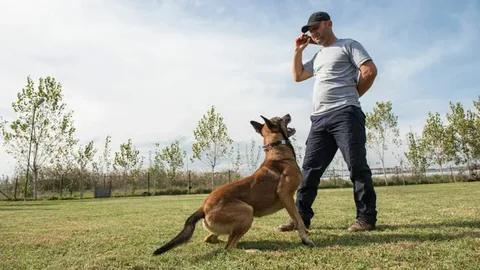
Choosing the right training approach can make a major difference in how a dog responds at home, around guests, and in everyday situations. A dog training consultation Arizona session can help owners understand the reasons behind specific behaviors and create a practical plan based on the dog’s needs, environment, and learning history.
Rather than relying on generic advice, a consultation provides an opportunity to look at behavior in context. Factors such as age, breed tendencies, household routines, previous training, distractions, and reinforcement can all influence how a dog learns.
Why Start With a Dog Training Consultation Arizona
Dog training is rarely one-size-fits-all. Two dogs may display similar behaviors but require very different approaches because the underlying causes and learning experiences are not the same.
A professional consultation can help identify patterns and establish realistic training priorities. Instead of attempting several techniques at once, owners can focus on specific behaviors and build a consistent routine.
A consultation may help address concerns such as:
- Leash pulling and poor walking habits
- Jumping on people
- Excessive barking
- Difficulty settling
- Basic obedience
- Recall and responsiveness
- Puppy behavior
- Impulse control
- Reactivity around people or dogs
- Household manners
The goal is not simply to stop unwanted behavior. Effective training helps dogs understand what is expected while giving owners practical tools for reinforcing appropriate choices.
Understanding What Drives Dog Behavior
Behavior is communication. A dog may bark, pull, jump, avoid a situation, or become overly excited for different reasons.
For example, leash pulling can involve excitement, environmental stimulation, lack of training, or a learned history of moving forward when tension appears on the leash. Treating every pulling dog the same can overlook the factors maintaining the behavior.
A thoughtful dog behavior assessment considers what happens before, during, and after a behavior. This can reveal patterns that are easy to miss during everyday routines.
Owners can begin observing:
- The trigger – What happens immediately before the behavior?
- The behavior – What exactly does the dog do?
- The consequence – What happens immediately afterward?
- The pattern – Does the behavior occur in particular places or situations?
These observations can provide useful information for creating a more targeted training strategy.
Building a Personalized Dog Training Plan
Once priorities are identified, training becomes easier to organize. A useful plan should define the behavior owners want to see, establish manageable steps, and provide consistent reinforcement.
For example, if a dog jumps on visitors, the objective should not simply be “stop jumping.” A more practical goal might be teaching the dog to keep four paws on the floor, move to a designated spot, or calmly greet a person.
Breaking training into smaller behaviors can help dogs succeed more often. Owners can then gradually increase distractions and expectations as reliability improves.
Consistency is equally important. Dogs learn from repeated interactions, so household members should understand the same basic cues and expectations.
Arizona Dogs Need Training That Fits Real Life
Arizona households can include a wide range of environments, from busy neighborhoods to suburban homes and outdoor spaces. Dogs may encounter unfamiliar people, other animals, traffic, new surfaces, and changing levels of stimulation.
Training should therefore extend beyond a quiet room. A dog that responds perfectly at home may struggle when exposed to exciting smells, unfamiliar surroundings, or other distractions.
Progressive exposure can help bridge that gap. Start with a behavior in a manageable environment, reinforce successful responses, and gradually introduce additional challenges.
This approach can be particularly valuable for:
- Loose-leash walking
- Reliable recall
- Staying focused around distractions
- Calm greetings
- Impulse control
- Public manners
The objective is to build skills that transfer into everyday life rather than behaviors that only work during structured practice.
Common Mistakes That Can Slow Training Progress
Owners often have good intentions but may unintentionally make learning more difficult. One common problem is inconsistency.
If a dog is allowed to jump on the couch sometimes but corrected for doing so at other times, the expectation becomes unclear. Similarly, giving a dog attention immediately after barking can unintentionally reinforce vocal behavior.
Another mistake is progressing too quickly. Dogs need enough successful repetitions to understand a behavior before owners increase distractions or duration.
Avoiding these common problems can make training more productive:
- Changing expectations from day to day
- Using cues repeatedly without waiting for a response
- Expecting too much too soon
- Practicing only in low-distraction environments
- Focusing only on unwanted behavior
- Forgetting to reinforce desirable choices
Training works best when owners actively notice and reward the behaviors they want to see more often.
How Owners Can Prepare for a Training Consultation
A consultation becomes more useful when owners arrive with clear observations and realistic goals. Before the session, consider writing down the behaviors that create the most difficulty.
Include details such as when the behavior happens, where it occurs, who is present, and what usually happens afterward.
It can also help to identify the top two or three priorities rather than trying to address every behavior simultaneously.
Useful information may include:
- The dog’s age and background
- Previous training experience
- Typical daily routine
- Exercise and enrichment activities
- Common triggers
- Household rules
- Training cues the dog already understands
- Situations where the dog performs well
This information can help create a clearer picture of the dog’s current skills and challenges.
Turning Professional Guidance Into Daily Practice
A consultation provides direction, but consistent practice is what develops lasting skills. Short training sessions can be incorporated into ordinary routines instead of treating training as a separate activity every day.
Ask for a sit before putting down a food bowl. Practice calm behavior before opening the door. Reinforce attention during a walk. Reward the dog for settling while the household is busy.
These small repetitions give dogs frequent opportunities to practice appropriate behavior.
Owners should also track progress realistically. Improvement may appear as shorter recovery times, fewer reminders, greater focus, or better responses in increasingly distracting environments.
When Professional Guidance Can Help
Some training challenges become frustrating when owners repeatedly try different methods without understanding why the behavior continues. A dog training consultation Arizona service can provide a structured starting point and help clarify which skills should be taught first. Professional guidance can also give owners practical strategies for addressing specific behaviors and building more consistent training routines.
A dog training consultation Arizona service can be especially useful when owners want a personalized assessment rather than generalized training tips. Understanding the dog’s behavior, environment, and learning patterns can help establish clearer goals and more purposeful practice.
Rob’s Dog Training provides professional dog training guidance designed around individual dogs and their owners. Learn more about available training services and consultation options at robsdogs.
The most effective training plans are practical enough to use consistently. With clear expectations, appropriate reinforcement, gradual progression, and professional guidance when needed, owners can build communication skills that support better behavior in everyday life.