



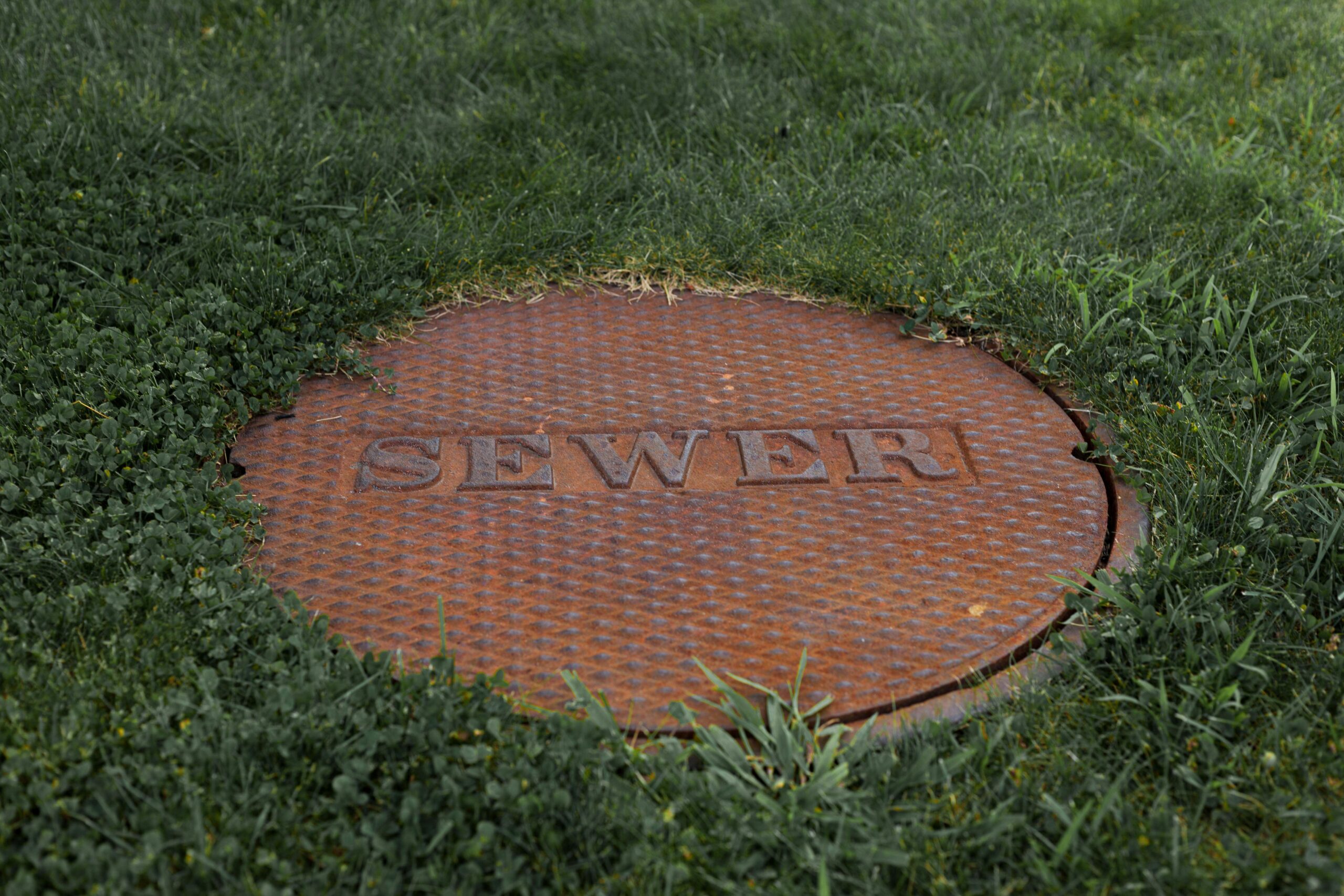
For many homeowners, the septic system is a classic case of “out of sight, out of mind.” We go about our daily lives flushing toilets and running the dishwasher without giving a second thought to the complex biological process happening beneath our backyards. However, this underground tank is a living ecosystem that relies on a delicate balance of bacteria to break down waste and keep things flowing smoothly.
When that balance is disrupted, the consequences are rarely subtle or pleasant. You might start noticing slow drains, strange gurgling sounds in your pipes, or even worse, a soggy, foul-smelling patch of grass over your drain field. Understanding the small, everyday habits that compromise this system is the first step toward avoiding a massive repair bill and a giant mess in your home.
Treating Your Toilet Like A Trash Can
One of the most destructive habits is flushing items that were never meant to decompose in water. Many products marketed as “flushable wipes” are anything but, as they often fail to break down and instead create massive clogs inside the tank. These wipes, along with feminine hygiene products and cotton swabs, act like a net that catches other debris, eventually leading to a complete system backup.
The only things that should ever go down your drain are human waste and standard toilet paper. When foreign objects enter the tank, they take up valuable space and can even damage the mechanical components of the system. Over time, this debris builds up into a solid layer that forces you to pump the tank much more frequently than should be necessary for a healthy household.
Pouring Harsh Chemicals Down The Drain
It is tempting to reach for heavy-duty chemical cleaners when a drain slows down, but these products are poison to your septic system. A healthy tank requires a thriving colony of “good” bacteria to digest solids and turn them into liquid. When you pour bleach, caustic drain openers, or strong disinfectants down the sink, you are essentially nuking those beneficial microbes and stopping the natural cleaning process.
Without those bacteria, the solids in your tank won’t break down properly, leading to a thick layer of sludge that can eventually clog your drain field. For instance, consistent septic tank maintenance often reveals that households using excessive antibacterial soaps have much higher levels of undigested waste. Switching to septic-safe, biodegradable cleaners is a simple way to keep your underground ecosystem healthy and functioning at its peak performance.
Overloading The System With Too Much Water
Your septic tank has a specific capacity and needs time to separate the solids from the liquids before the water moves out to the drain field. When you run multiple loads of laundry, the dishwasher, and take long showers all on the same day, you “flood” the system. This massive surge of water pushes solid waste out into the drain field pipes before it has had a chance to settle or break down.
Once those solids enter the perforated pipes of the drain field, they can cause permanent clogs in the soil, which prevents the water from filtering away. It is much better to spread your high-water activities throughout the week to give the tank time to process everything. Fixing a saturated drain field is incredibly expensive, so practicing water conservation is as much about your wallet as it is about the environment.
Dumping Fats And Oils In The Kitchen
In the kitchen, the biggest enemy of your plumbing is grease, fat, and cooking oil. While these substances might look like liquid when they are hot in the pan, they quickly solidify into a waxy “fatberg” once they hit the cool environment of your underground pipes. This creates a sticky coating that traps other food particles and eventually narrows the diameter of your plumbing until nothing can pass through.
Even if the grease makes it all the way to the tank, it floats to the top and creates a thick “scum” layer that is very difficult for bacteria to penetrate. This layer can grow so thick that it blocks the inlet or outlet pipes, causing the entire system to fail. The best practice is to always scrape your plates into the trash and pour used cooking oils into a separate container rather than down the sink.
Ignoring The Importance Of Regular Inspections
Many people wait until they smell something terrible before they call a professional, but by then, the damage is usually done. A septic system is like a car in that it requires routine checkups to catch small issues before they turn into engine-killing disasters. An inspection can tell you the exact levels of sludge and scum in your tank, giving you a clear idea of when a pump-out is actually required.
Neglecting these checkups often leads to the pipes becoming brittle or the baffles—the internal walls that direct flow—breaking down without anyone noticing. Regular monitoring allows you to address structural wear and tear early on, extending the life of your system by decades. A small investment in a professional eye once every few years is the best insurance policy you can have against an unexpected and costly septic emergency.
Respecting The Health Of Your Home
Taking care of your septic system doesn’t require a degree in biology, but it does require a bit of mindfulness about what goes down the drain. By treating your tank like the living system it is, you ensure that your home remains a safe and sanitary place for your family. Most major septic failures are entirely preventable simply by changing a few minor daily routines and respecting the limits of the technology.
In the end, a well-maintained septic tank is something you should never have to think about or smell. Keeping grease out of the pipes, avoiding harsh chemicals, and spacing out your water usage are small prices to pay for a reliable plumbing system. Start making these changes today, and you will enjoy the peace of mind that comes with knowing your home’s infrastructure is solid and secure for the future.