



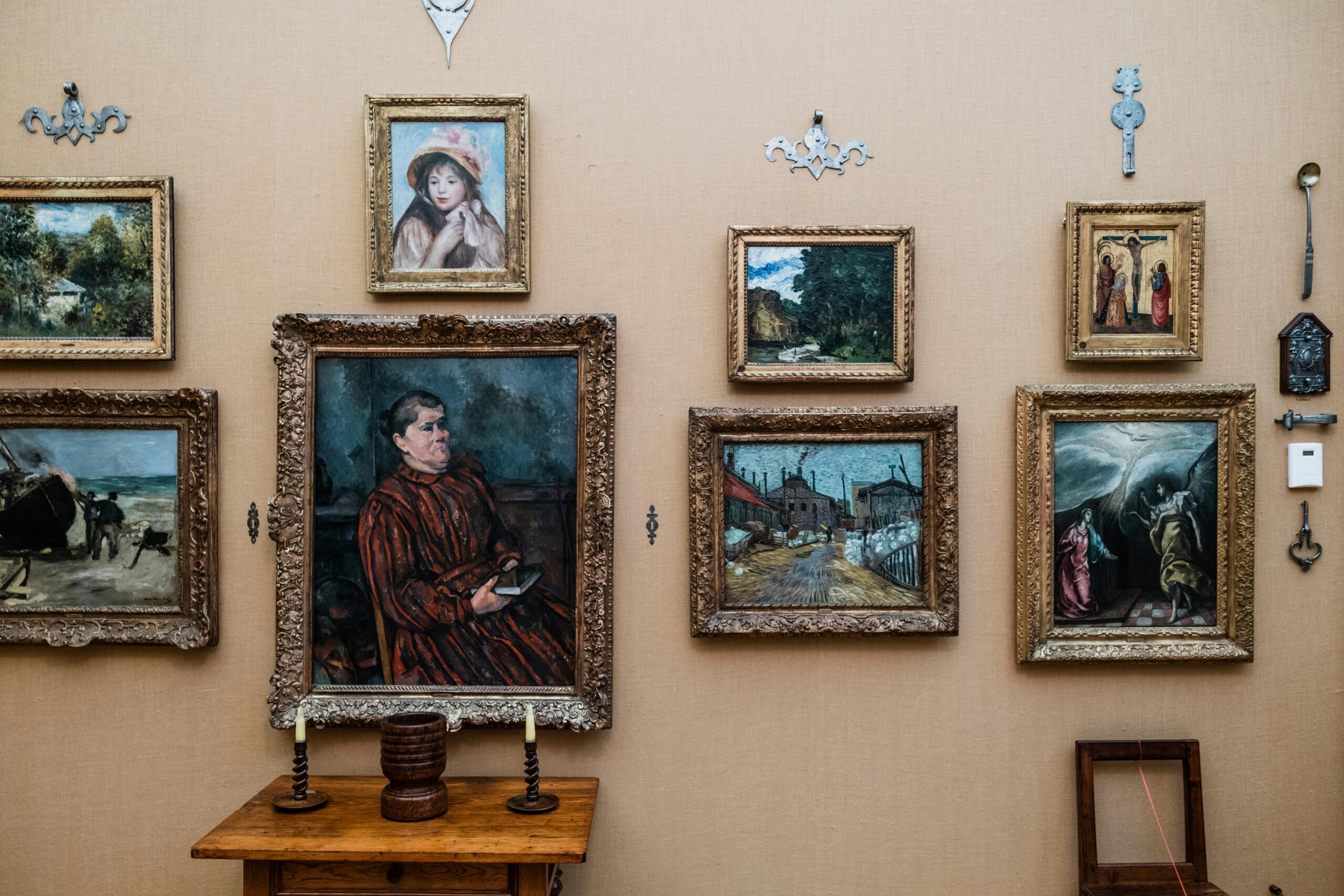
Art has long influenced the way people experience environments. From museums and public spaces to offices and homes, visual pieces contribute personality, meaning, and emotional impact. However, displaying artwork involves more than placing an object on a wall. The process often requires planning, positioning, and thoughtful presentation. As modern spaces continue evolving, art installations have become an important element in creating environments that feel intentional, balanced, and visually engaging.
Whether artwork appears in a corporate lobby, a residential living area, or a cultural venue, proper placement affects how viewers interact with the piece. In addition, installation decisions can influence lighting, movement, and overall atmosphere. Consequently, understanding the purpose and process behind art placement provides a deeper appreciation for how spaces become more meaningful.
Creating Visual Balance Within Spaces
Every room has its own structure, proportions, and architectural features. Therefore, placing artwork successfully involves more than selecting attractive pieces. Scale, spacing, and positioning all contribute to visual harmony. Large artwork placed in a compact area can feel overwhelming, while smaller pieces in expansive spaces may seem disconnected.
For this reason, visual balance often becomes a primary consideration during planning. Designers and curators frequently evaluate wall dimensions, ceiling heights, natural light sources, and furniture placement before determining positioning. When all elements work together, the artwork becomes part of the environment rather than appearing separate from it.
Additionally, a balanced presentation encourages viewers to engage naturally with a space. Instead of competing with surrounding elements, artwork can support the overall design experience and create a stronger sense of cohesion.
Enhancing Emotional Connection Through Design
Art influences emotions in subtle yet powerful ways. Certain colors may create calmness, while bold forms can energize a room. Likewise, subject matter and artistic style often affect personal interpretation and emotional response.
Spaces designed with thoughtful visual experiences frequently feel more inviting and memorable. Educational facilities, healthcare settings, hospitality venues, and workplaces increasingly recognize the value of visual environments because atmosphere affects how individuals experience a location.
Discussions surrounding art installation often extend beyond aesthetics because placement can alter how people move through spaces and interpret surroundings. Artwork positioned at focal points may encourage reflection, while strategically arranged collections can guide visual flow throughout larger environments. As a result, installation decisions frequently involve both practical and emotional considerations.
Supporting Functionality and Accessibility
Although artistic presentation emphasizes creativity, practical concerns remain equally important. Installation methods must consider safety, accessibility, and long-term preservation. Heavy framed pieces, sculptures, and mixed-media works require secure mounting systems that support weight and structural stability.
Environmental factors also affect the condition. Excessive sunlight, humidity fluctuations, and temperature changes may gradually damage sensitive materials. Therefore, placement strategies often include attention to environmental conditions and viewing angles.
In public and commercial settings, accessibility becomes particularly important. Artwork should remain visible without creating obstacles or interfering with movement. Many designers carefully evaluate traffic patterns to ensure installations complement rather than disrupt the function of a space.
This balance between creativity and practicality allows visual experiences to remain effective while supporting usability.
Shaping Identity Through Artistic Expression
Spaces frequently communicate identity before anyone speaks a word. Interior design choices, architecture, and visual elements collectively influence first impressions. Artwork often serves as one of the strongest contributors to that identity because it introduces personality and meaning.
Businesses may select pieces reflecting innovation or culture, while hospitality spaces often choose artwork that creates warmth and memorable experiences. Similarly, homeowners frequently use visual elements to express interests, values, and personal stories.
Organizations and galleries sometimes contribute to broader conversations surrounding artistic presentation. Discussions of environments associated with spaces such as art installations occasionally include institutions and galleries, as curated environments demonstrate how visual experiences shape audience interaction. Across artistic communities, presentation remains closely connected to how viewers perceive creative work.
Consequently, artwork often becomes more than decoration and evolves into a representation of identity.
Encouraging Interaction Through Creative Placement
Modern artistic experiences increasingly encourage participation rather than passive observation. Interactive displays, immersive environments, and unconventional arrangements invite viewers to engage more actively with visual content.
Traditional approaches often positioned artwork as isolated objects viewed from a distance. However, many contemporary spaces encourage movement around installations and create experiences that feel more dynamic. Lighting design, architectural integration, and spatial arrangement contribute to this evolving approach.
Interactive placement strategies can transform ordinary areas into memorable environments. Public art spaces frequently use large-scale installations that encourage exploration, while experiential exhibits invite visitors to engage emotionally and physically with creative work.
As a result, a thoughtful presentation can strengthen audience connection and create more meaningful experiences.
Preserving Artistic Impact Through Careful Planning
Successful art installation in artistic environments rarely happens by accident. Behind every thoughtfully designed display exists planning that considers structure, aesthetics, safety, and human interaction. While artwork naturally captures attention, its placement significantly influences how viewers experience its message.
Careful preparation supports visual balance, protects valuable pieces, and enhances emotional impact. Over time, thoughtful placement can transform ordinary environments into spaces that inspire curiosity and reflection. As creative expression continues evolving, artistic presentation will remain an essential part of shaping memorable and engaging experiences.