



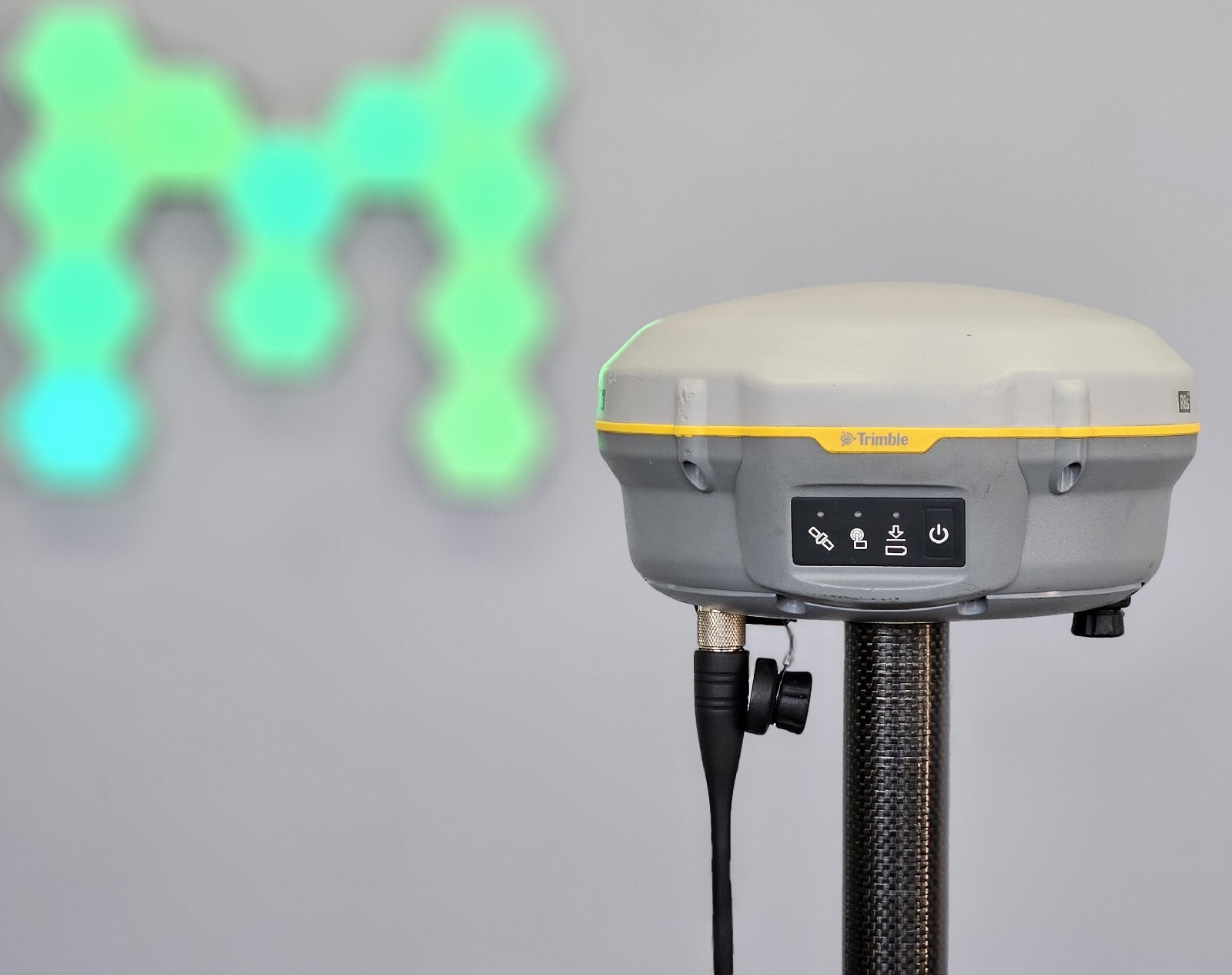
The demand for ultra-precise positioning technology continues to grow across industries, and Industrial Uses of GNSS rtk receiver Equipment in 2026 are expanding faster than ever. From construction sites to autonomous systems, Real-Time Kinematic (RTK) GNSS technology is becoming a core part of modern industrial workflows that require centimeter-level accuracy.
Introduction to GNSS RTK Technology in Modern Industry
GNSS RTK (Global Navigation Satellite System Real-Time Kinematic) receivers deliver highly accurate positioning by correcting satellite signal errors in real time. This makes them essential in environments where traditional GPS is not precise enough.
In 2026, industries are increasingly relying on Industrial Uses of GNSS RTK Receiver Equipment in 2026 to improve efficiency, reduce operational costs, and support automation-driven workflows.
Construction and Infrastructure Development
One of the most prominent applications of GNSS RTK systems is in construction and civil engineering.
Site Layout and Machine Control
RTK receivers are used to guide heavy machinery such as bulldozers, graders, and excavators with centimeter-level precision. This reduces human error and speeds up project completion.
Surveying and Mapping
Surveyors use RTK equipment for real-time land measurement, eliminating the need for time-consuming post-processing. This has become a standard part of Industrial Uses of GNSS RTK Receiver Equipment in 2026 in large-scale infrastructure projects.
Agriculture and Precision Farming
Modern agriculture has fully embraced GNSS RTK technology to increase crop yields and reduce resource waste.
Automated Tractors and Equipment
Autonomous tractors use RTK positioning for precise planting, spraying, and harvesting.
Field Optimization
Farmers can create accurate field maps to optimize irrigation and fertilizer usage, making agriculture more sustainable and efficient.
These innovations highlight how Industrial Uses of GNSS RTK Receiver Equipment in 2026 are transforming traditional farming practices.
Mining and Resource Extraction
Mining operations require extreme precision for safety and efficiency.
Excavation Accuracy
RTK systems help operators precisely locate excavation points, reducing unnecessary material removal.
Fleet Management
Mining companies use GNSS RTK tracking to manage fleets of trucks and drilling machines in real time.
The expansion of Industrial Uses of GNSS RTK Receiver Equipment in 2026 in mining has significantly improved productivity and reduced operational risks.
Transportation and Autonomous Vehicles
Autonomous driving and intelligent transportation systems depend heavily on RTK accuracy.
Self-Driving Vehicles
RTK GNSS is used to enhance lane-level accuracy in autonomous cars and delivery robots.
Logistics Optimization
Fleet operators use real-time positioning for route optimization and tracking.
This sector represents one of the fastest-growing Industrial Uses of GNSS RTK Receiver Equipment in 2026 due to rapid advancements in automation.
Environmental Monitoring and Smart Cities
GNSS RTK technology is also playing a key role in environmental protection and urban planning.
Flood and Disaster Monitoring
High-precision terrain mapping helps predict and manage natural disasters more effectively.
Smart City Infrastructure
Urban planners use RTK data to design roads, utilities, and public infrastructure with higher accuracy.
These applications further demonstrate the expanding scope of Industrial Uses of GNSS RTK Receiver Equipment in 2026 in modern urban development.
Conclusion
As industries continue to digitize and automate, the importance of high-precision positioning cannot be overstated. The Industrial Uses of GNSS RTK Receiver Equipment in 2026 span across construction, agriculture, mining, transportation, and smart city development.