



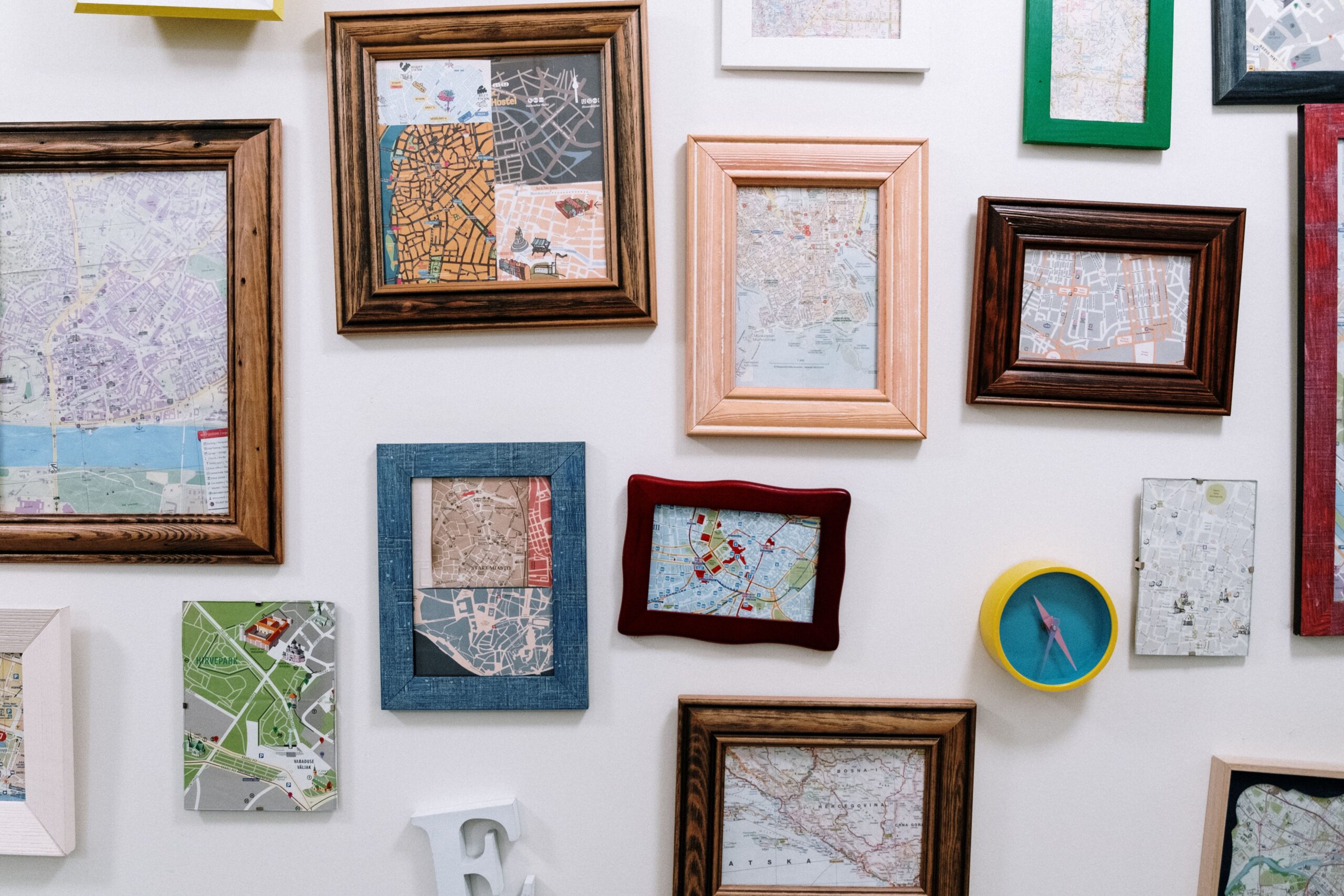
Wall decor plays an important role in shaping the atmosphere of a home, office, or commercial space. Empty walls can make a room feel unfinished, while thoughtfully selected artwork can create warmth, personality, and visual interest.
Many people choose artwork not only because it looks appealing but also because it reflects their tastes, experiences, and creative preferences.
As interior design trends continue to evolve, artwork remains one of the most effective ways to personalize a space. From modern prints to nature-inspired pieces, carefully selected artwork can transform a plain room into an environment that feels inviting and complete.
For this reason, many homeowners and designers pay close attention to the art they display and how different pieces work together within a room.
Creating Strong Visual Impact
One of the most noticeable benefits of displaying artwork is its ability to create visual impact. A large piece of art or a thoughtfully arranged gallery display can immediately draw attention and become a focal point within a room. This visual interest helps define the space and gives visitors something meaningful to notice when they enter.
Artwork often introduces color, texture, and movement into an interior. Even a room with simple furniture can feel more dynamic when carefully selected pieces are displayed on the walls. The right artwork helps balance the overall design and creates a stronger sense of character throughout the space.
Expressing Personal Style
Interior design is often a reflection of personal preferences, and artwork provides an excellent opportunity for self-expression. Different artistic styles communicate different moods and personalities. Some people prefer abstract designs, while others are drawn to landscapes, photography, or contemporary pieces.
Displaying artwork allows individuals to showcase their interests and creative tastes. A thoughtfully curated selection can tell a story about the people who live or work in the space. This personal connection often makes a room feel more authentic and welcoming.
Enhancing Room Atmosphere
The atmosphere of a room is influenced by many factors, including lighting, furniture, color schemes, and decor. Artwork contributes significantly to the emotional feel of a space. Bright and colorful pieces may create an energetic environment, while softer artwork can encourage relaxation and comfort.
Because art affects mood, many people carefully select pieces that align with the intended purpose of a room. Bedrooms may feature calming imagery, while living rooms often include artwork that encourages conversation. By choosing appropriate pieces, individuals can help shape the experience of those who use the space.
Coordinating Interior Design Themes
A cohesive interior design scheme often relies on consistency between different decorative elements. Artwork can help connect furniture, textiles, wall colors, and accessories into a unified design. When chosen thoughtfully, artwork acts as a visual bridge that ties various elements together.
Designers frequently use artwork to reinforce a specific theme or aesthetic. Whether the goal is a modern appearance, a rustic feel, or a contemporary atmosphere, artwork can strengthen the overall design direction. This coordination helps create spaces that feel intentional and visually balanced.
Showcasing Artistic Variety
Art comes in many forms, allowing homeowners and designers to experiment with different styles and arrangements. Paintings, photography, illustrations, mixed-media works, and digital art each bring unique qualities to a room. This variety allows people to create displays that reflect their preferences while maintaining visual interest.
Many people enjoy exploring wall art collections because collections often bring together pieces that share a common theme, color palette, or artistic approach. Viewing artwork as part of a larger collection can help create continuity while still allowing individual pieces to stand out within the overall display.
Filling Large Empty Spaces
Large walls can sometimes feel difficult to decorate. Without visual elements, these areas may appear plain or disconnected from the rest of the room. Artwork offers an effective solution by introducing scale and proportion that complement the surrounding environment.
Large-format art can make a bold statement, while grouped pieces can create a balanced arrangement across wider spaces. Filling empty walls thoughtfully helps rooms feel more complete and visually engaging.
This approach can be especially useful in living rooms, entryways, dining areas, and office settings.
Encouraging Meaningful Conversations
Artwork often serves as a conversation starter. Guests may ask about the story behind a particular piece, the artist’s style, or the reason it was chosen. These interactions can create opportunities for meaningful discussions and shared experiences.
Because art can evoke different interpretations and emotions, it often encourages thoughtful dialogue. People may connect with certain images based on their own experiences, leading to interesting exchanges and new perspectives. This social aspect adds another layer of value to displaying artwork in shared spaces.
Supporting Creative Inspiration
Creative environments often benefit from visual stimulation. Artwork can inspire new ideas, encourage imagination, and create a setting that feels more engaging. This is one reason why artwork is frequently displayed in offices, studios, classrooms, and creative workspaces.
Surrounding oneself with visually interesting pieces may help promote focus and inspiration. Whether the artwork features nature, abstract designs, or striking photography, it can contribute to an environment that supports creative thinking and personal expression.
Building Cohesive Art Displays
Many homeowners enjoy creating displays that feature multiple pieces rather than a single artwork. Coordinated arrangements can provide depth and visual consistency while allowing different works to complement one another. This approach often creates a more polished and intentional appearance.
Well-planned wall art collections can help people create visual harmony while showcasing a range of artistic styles and subjects within the same space.
Appreciating Lasting Design Value
Artwork remains one of the most versatile design elements available. It can refresh a room, express personality, and enhance visual appeal without requiring major renovations. Whether displayed as a single statement piece or as part of a coordinated collection, artwork contributes to the overall character of a space.
Thoughtfully chosen wall decor helps transform ordinary rooms into environments that feel complete and inviting. By incorporating artwork that reflects personal interests and complements interior design goals, individuals can create spaces that remain visually appealing, comfortable, and inspiring for years to come.