



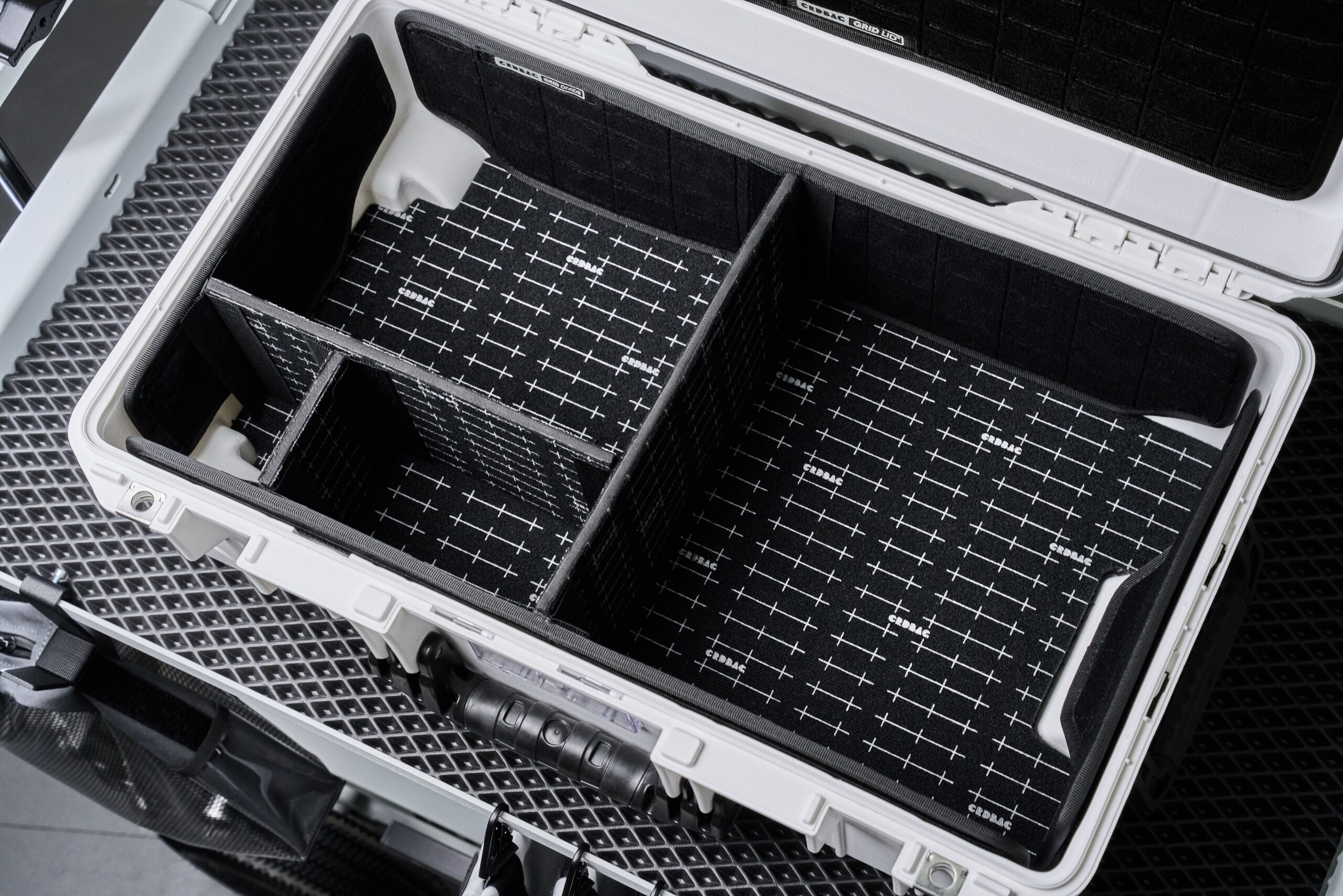
High-value equipment requires a level of protection that standard luggage simply cannot provide. Whether a professional carries delicate medical instruments, high-end cinema cameras, or sensitive calibration electronics, the threat of transit damage looms large. Dropping an unprotected gear bag on a concrete airport runway can instantly destroy thousands of dollars in vital assets.
Because of these steep stakes, experts across various industries refuse to compromise on their transport setups. They require rugged enclosures that can absorb severe impacts and keep moisture entirely at bay. Investing in premium protection ensures that expensive tools arrive at the job site fully operational and ready to perform.
Shielding Delicate Instruments from Extreme Impacts
Industrial job sites and transit hubs are unforgiving environments where shifting cargo and sudden drops can easily shatter fragile screens or misalign calibrated sensors. Because standard plastic containers cannot safely disperse these heavy impacts, professional enclosures utilize advanced polymers that flex under stress without breaking. This design allows the outer shell to absorb the brunt of a fall before the shockwave can reach the interior. Keeping this destructive kinetic energy away from the cargo prevents catastrophic equipment failure during long journeys.
Keeping Destructive Environmental Elements at Bay
Moisture and fine dust particles represent the silent killers of modern electronic components. A sudden downpour on a construction site or fine sand blowing across a desert landscape can easily penetrate cheap zipper closures. Once water or grit gets inside an electronic housing, corrosion and short circuits are almost guaranteed to happen.
High-grade transit boxes utilize a continuous rubber gasket lining that creates an airtight seal when clamped down. This heavy-duty barrier keeps torrential rain, thick mud, and microscopic dust from slipping into the storage compartment. Many units also feature an automatic pressure valve that allows air to flow freely while keeping moisture out during high-altitude flights.
Designing Tailored Interior Layouts for Specialized Equipment
A rugged exterior shell only solves half of the transportation puzzle. If expensive tools are allowed to slide around and collide with each other inside the box, they will inevitably scratch or break. Every specialized piece of equipment requires a dedicated pocket that prevents any internal movement during turbulent travel.
Utilizing a premium custom pelican case allows specialists to organize their gear into laser-cut foam inserts that match the exact contours of each item. This precise interior layout ensures that heavy battery packs do not crush delicate glass lenses when the container is flipped upside down.
Having a designated spot for every single cable and accessory also makes it easy to spot if an item is missing before leaving a job site. This simple organizational layout saves valuable time during teardown and prevents costly gear from being left behind.
Reducing Long Term Operational Replacement Costs
Replacing broken field equipment can quickly derail a company’s annual operating budget. Beyond the actual cost of purchasing a new tool, businesses also lose money due to project delays and sudden downtime. Waiting for a replacement part to ship can stall an entire crew for several days. These cascading delays can quickly turn a minor equipment mishap into an incredibly expensive logistical nightmare.
Savvy managers view high-end transit solutions as cheap insurance policies for their daily operations. Spending money upfront on a durable container completely eliminates the predictable cycle of replacing cheap bags every few months. This proactive approach protects company profits and guarantees that teams stay on schedule regardless of the travel conditions.
Projecting a High Level of Workplace Professionalism
Arriving at a high-profile client meeting with unorganized gear stuffed into casual backpacks creates a poor first impression, suggesting a contractor might be reckless with their work habits. Clients naturally feel more confident when they see an incoming team handling tools with extreme care. Orderly equipment presentation immediately demonstrates respect for the craft and the client’s investment.
Utilizing uniform, heavy-duty cases instantly signals to everyone on site that a crew takes their craft seriously. Sleek and orderly presentation shows that a business values precision right down to how they pack their gear. This visual credibility helps independent operators secure premium contracts and retain high-paying clientele over time.
Conclusion
The reliance on top-tier equipment transit containers is a practical business decision rooted in risk management. Protecting sensitive gear from unpredictable drops, harsh weather, and chaotic transit environments is essential for maintaining smooth daily operations. By investing in dedicated, foam-lined protection, industry experts eliminate the stress of gear damage and focus entirely on delivering exceptional results.
Ultimately, a reliable hard container is an indispensable asset for any professional who refuses to let a broken tool stand in the way of success.