



The traditional high school classroom layout is undergoing a massive shift across the United States. For generations, secondary education relied heavily on static textbooks, blackboard lectures, and rote memorization to teach complex scientific concepts. Today, forward-thinking school districts are trading traditional lecture halls for dynamic engineering labs filled with moving parts.
This educational evolution is driven by a growing need to prepare young people for a technology-driven workforce. High school students are no longer just reading about abstract physics formulas on a page. By introducing tactile building tools into the daily curriculum, educators are successfully capturing the imagination of a distracted generation, turning passive observers into active creators.
Moving Beyond Abstract Theoretical Concepts
Abstract formulas can quickly alienate teenagers who struggle to see the real-world value of algebra or physics equations. When an instructor writes a formula for rotational torque on a whiteboard, many students simply memorize it for the Friday test and forget it by Monday morning. Experiencing a concept through touch changes how the human brain processes difficult spatial information.
Assembling physical gears and chassis frames allows young learners to see exactly how mathematical equations dictate physical movement. They can instantly observe how a larger wheel changes the velocity of a vehicle or how weight distribution affects balance.
This immediate feedback loop turns frustrating theoretical math into an engaging, visual logic puzzle that rewards experimentation. By bridging the gap between theory and reality, students develop a deeper, intuitive grasp of physics.
Cultivating Vital Workforce Collaboration Skills
Modern technical employers frequently complain that recent graduates possess great technical knowledge but lack basic communication and teamwork skills. The modern corporate environment requires professionals to solve unpredictable puzzles alongside colleagues from diverse backgrounds.
Working in a small robotics group forces teenagers to develop these critical interpersonal abilities early in life. Students must delegate tasks, voice their design ideas clearly, and listen to contrasting viewpoints to achieve a collective goal. When a machine fails to operate correctly, the team must collaborate calmly to diagnose the issue rather than pointing fingers at each other. This constant peer-to-peer interaction builds genuine workplace maturity.
Discovering Innovative Global Classroom Resources
Implementing a successful engineering program requires school districts to source durable components that can withstand heavy daily use by enthusiastic teenagers. Teachers look for versatile kits that offer open-ended design possibilities rather than single-use toys that limit student creativity. Finding structural channels, powerful motors, and reliable sensors is essential for building a robust curriculum.
Distributors like Studica offer comprehensive educational platforms that bridge the gap between classroom experimentation and competitive engineering events. Accessing these types of specialized, industrial-grade building materials helps schools create authentic workshop environments right down the hall from the cafeteria.
Normalizing Failure as a Productive Tool
The traditional American grading system often punishes mistakes, accidentally breeding a deep fear of failure among high-achieving students. This fear can stifle creative risk-taking and prevent young minds from exploring unconventional solutions to difficult problems. Engineering challenges completely flip this old-school educational dynamic on its head.
A student robot rarely functions perfectly on the first try, which teaches teenagers that initial failure is just a normal part of the development process. Students learn to analyze software bugs or mechanical jams as valuable pieces of data rather than personal defeats.
This newfound resilience encourages young people to troubleshoot problems with patience. Overcoming these mechanical hurdles builds a unique sense of confidence that serves them well far beyond the laboratory walls. They quickly realize that a broken design is simply an opportunity to learn and improve.
Demystifying Advanced Autonomous Technology Fields
The rapid rise of automation, artificial intelligence, and automated machinery can feel intimidating to young people entering the workforce. Many students view fields like computer programming and mechanical engineering as exclusive clubs reserved only for natural geniuses.
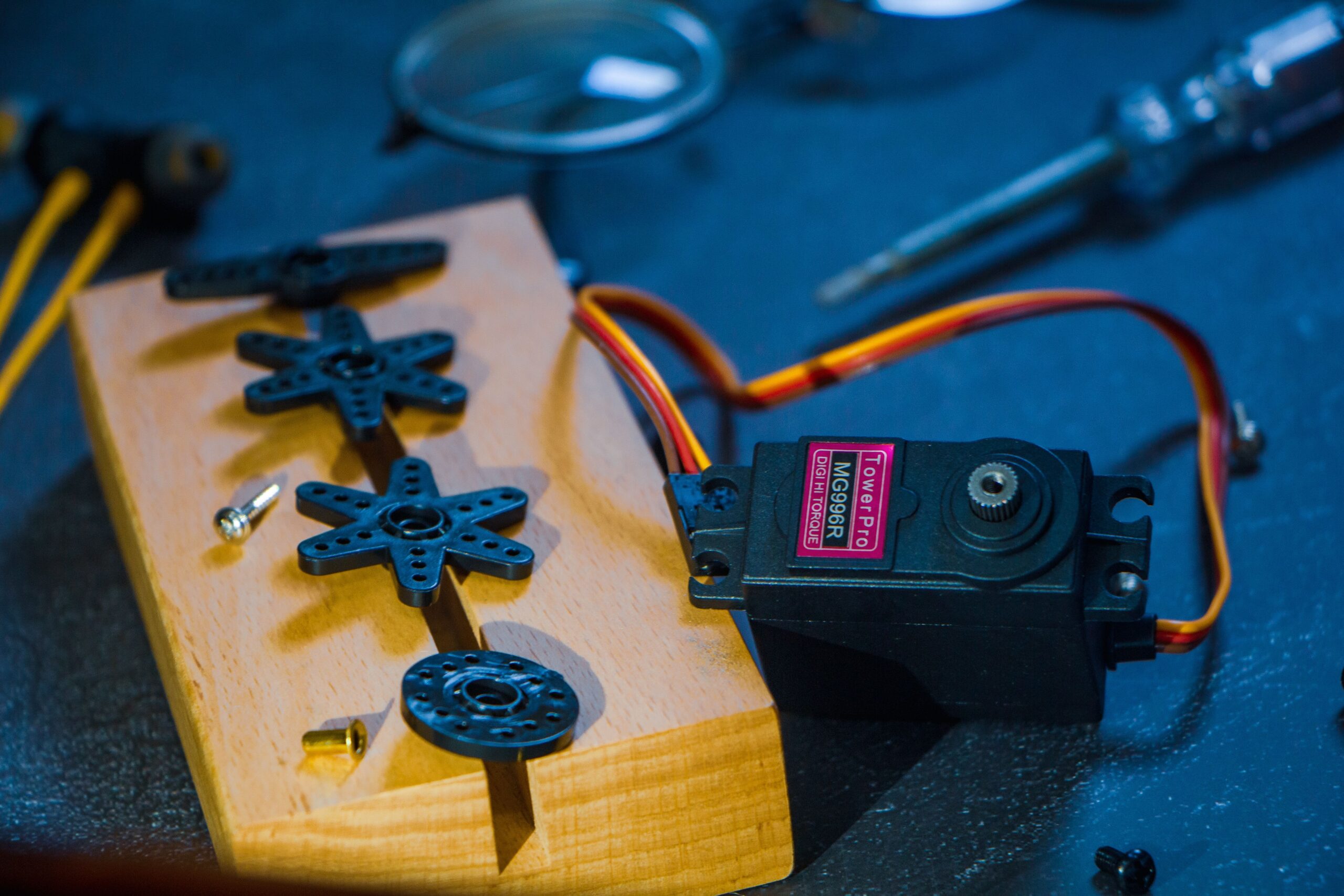
Interacting with tangible circuit boards and servo motors makes complex automated systems feel accessible and friendly. Students quickly realize that the self-driving cars and industrial factories they see on television operate on the exact same logical principles they use in class. This realization builds immense personal confidence and inspires a wider demographic of teenagers to pursue rewarding technical degrees.
Conclusion
Integrating tactile engineering components into modern high school classrooms is doing far more than just teaching teenagers how to build mechanical gadgets. This interactive instructional methodology reshapes how students analyze problems, cooperate with peers, and view their own academic capabilities.
By moving away from purely passive lectures, school systems are actively creating the confident, resilient problem solvers that our future economy desperately needs.
Investing in quality hardware and comprehensive curriculum resources represents a major step toward a brighter, more innovative educational future.