



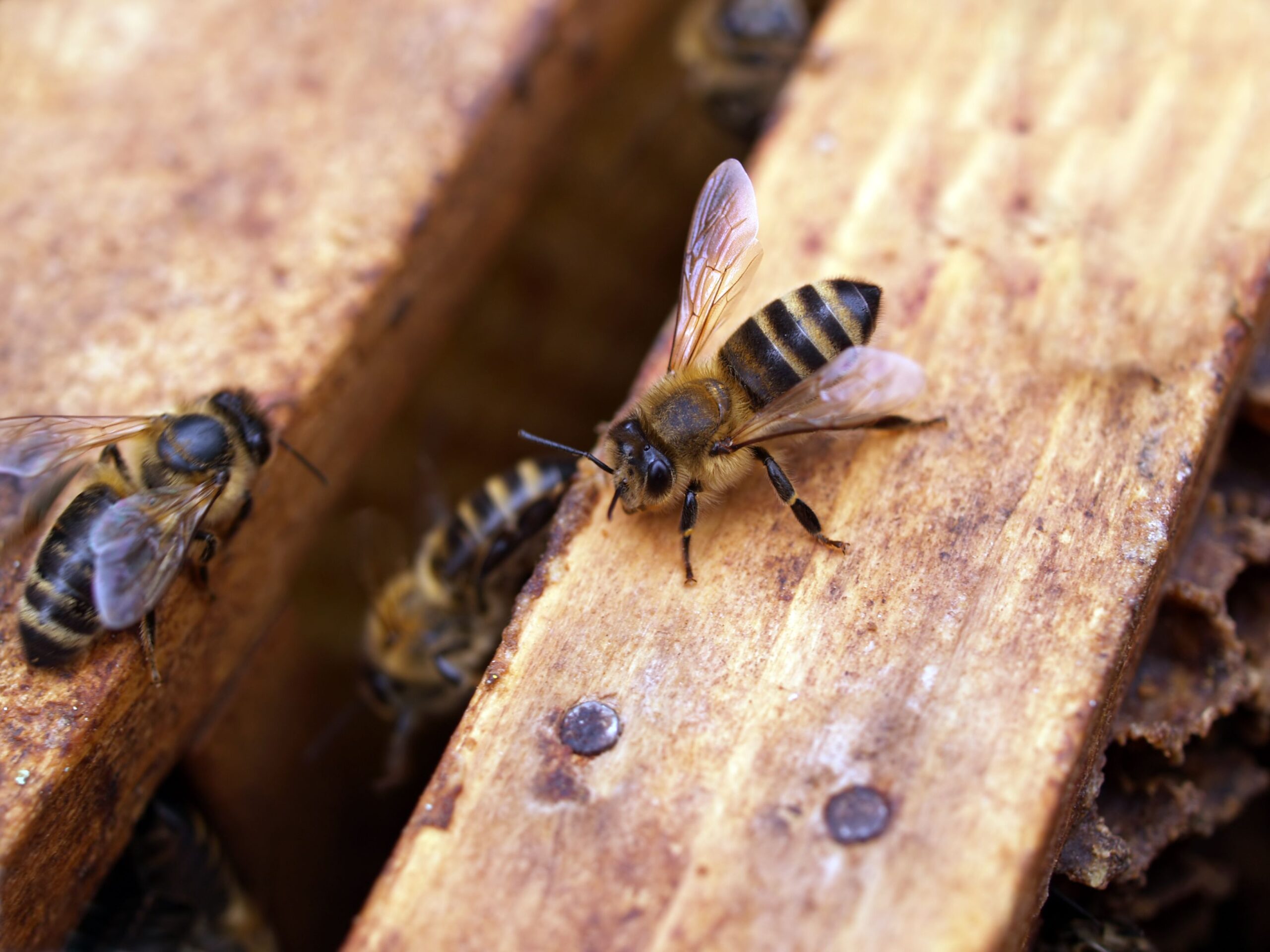
Every spring and summer, millions of stinging insects wake up and begin searching for new places to build their colonies. For many property owners across the United States, a backyard tree or a quiet attic space becomes the perfect target for an unwanted infestation.
When thousands of buzzing insects move into a residential structure, the immediate instinct for most families is to call for help and assume their monthly policy will foot the bill. Unfortunately, opening up an insurance statement often reveals a frustrating reality about how major carriers handle pest infestations.
Navigating the strict boundary between sudden property disasters and routine property upkeep can be confusing for even the most experienced property owners, but understanding the exact language hidden inside a policy is the best way to avoid massive out of pocket surprises.
Classifying Infestations as Standard Home Maintenance
Insurance companies build their entire business model around the concept of protecting properties from sudden and accidental disasters. Standard policies are specifically designed to help families rebuild after unexpected catastrophes like a severe house fire or a major windstorm. When it comes to insects, carriers view the situation through an entirely different lens.
Adjusters almost universally categorize the arrival of stinging insects as a routine maintenance issue rather than an emergency. Insurance providers operate under the assumption that property owners are responsible for regular upkeep and early pest prevention. Because a colony takes time to grow, carriers expect people to notice the problem and handle the cleanup expenses long before structural issues occur.
Evaluating Coverage for Structural Property Damage
While the actual cost of hiring an extraction crew is almost never covered, the physical destruction left behind by a colony falls into a gray area. Large colonies can pack hundreds of pounds of heavy wax and wet honey inside structural voids.
If a hidden hive melts during a hot summer, it can easily rot structural beams, ruin insulation, and destroy drywall.
- Hidden Decay Provisions: Some specialized policies include specific endorsements that pay for repairs if an unexposed colony causes a section of a roof or floor to unexpectedly collapse.
- Proximate Cause Exceptions: If a covered disaster like a lightning strike blows a hole in a roof and insects immediately move into the opening, the resulting cleanup might be covered.
- Collateral Fire Coverage: If a massive hive built inside an electrical panel short-circuits the wiring and sparks a fire, the resulting flame damage is typically fully covered.
- Drywall Restoration Limits: A carrier might occasionally pay a contractor to repair a wall that was cut open during an extraction, even if they refuse to pay for the insect extraction itself.
Reviewing these narrow exceptions can help property owners find hidden opportunities to recoup some of their secondary repair expenses.
Documenting Evidence to Support a Claims Process
If a homeowner believes their specific situation qualifies for structural repair assistance, gathering ironclad proof is absolutely essential. Insurance adjusters are trained to look for any signs of long term homeowner neglect so they can quickly deny a claim. Property owners need to act quickly and build a detailed paper trail before any repair work officially begins.
Saving professional repair invoices and taking clear photos of insect entry points can make a massive difference during a policy review. For example, people facing an active infestation often look at how a certified bee removal company documents colony age and structural damage during an emergency job. Having a written statement from a licensed specialist proving the hive was completely hidden can stop an insurance adjuster from claiming the problem was simply ignored for months.
Recognizing Common Policy Exclusions and Limitations
Reading the specific exclusions section of a standard policy can save a property owner a significant amount of valuable time. Most major American insurance providers utilize standard policy forms that explicitly list the types of animals and insects that are completely barred from coverage.
Stinging insects are almost always grouped into the same category as termites, mice, and other common household pests. These clear exclusions mean that preventative treatments, routine property inspections, and humane swarm relocations must be paid for directly by the consumer.
Even if a wandering swarm takes over a children’s playset or an outdoor shed, the financial burden rests solely on the property owner. Knowing these strict limitations allows individuals to stop wasting time arguing with adjusters and focus on hiring a professional crew instead.
Investing in Early Detection and Professional Extraction
Because insurance companies rarely provide financial help for pest problems, taking a proactive approach to property management is the smartest financial strategy. Walking around the exterior of a home every month allows people to spot scouting insects before they can establish a massive colony inside the walls.
Sealing gaps in the siding, repairing window screens, and closing open vents can stop costly infestations before they start. If a colony does establish itself, hiring an extraction team immediately is much cheaper than waiting. Leaving an abandoned hive inside a wall invites secondary pests like mice and beetles to chew through the property. Spending a little on immediate removal protects the home’s long-term value and prevents thousands of dollars in structural repairs.
Conclusion
Standard homeowners insurance policies are rarely a reliable safety net when it comes to managing a stinging insect infestation on your property. Because insurance companies view pest control as a basic homeowner upkeep responsibility, the financial burden of extracting a hive almost always falls on the property owner.
However, keeping a close eye on structural changes, documenting hidden damage, and understanding specific policy exceptions can help families protect their budgets from secondary structural repair bills. Taking quick action and investing in professional extraction services remains the most effective way to protect both a family and a home from the costly realities of a nesting colony.