



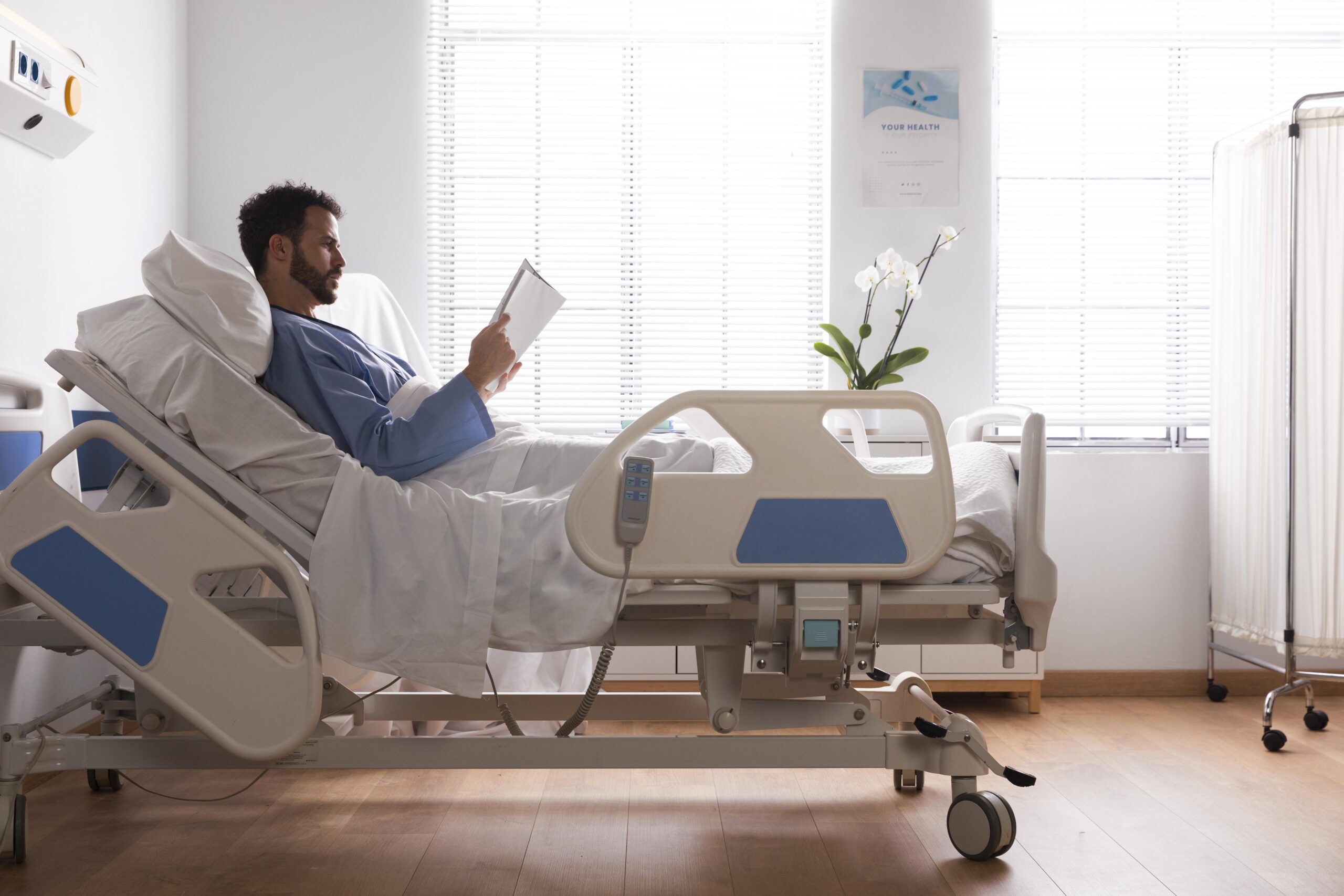
Patient care beds play a crucial role in modern healthcare settings, especially for individuals who spend extended periods in bed due to illness, injury, or limited mobility. One of the most common complications associated with prolonged immobility is the development of bedsores, also known as pressure ulcers. These painful wounds not only affect a patient’s comfort but can also lead to serious infections and longer recovery times. Fortunately, patient care beds are specifically designed to address these risks while supporting better overall health outcomes.
Reducing Prolonged Pressure on Vulnerable Areas
Patient care beds are engineered to minimize continuous pressure on areas of the body that are most susceptible to bedsores, such as the back, hips, heels, and shoulders. Many of these beds feature adjustable positions that allow caregivers to easily shift a patient’s weight throughout the day. By redistributing pressure at regular intervals, these beds help maintain proper blood circulation, which is essential for keeping skin and underlying tissues healthy.
In addition, some patient care beds come with specialized mattresses, such as alternating pressure or low-air-loss systems. These mattresses continuously adjust to relieve pressure points, further reducing the risk of skin breakdown. This combination of adjustability and advanced support makes a significant difference in preventing the formation of pressure ulcers.
Promoting Proper Positioning and Alignment
Maintaining proper body alignment is essential for preventing unnecessary strain on muscles and joints, as well as lessening the likelihood of pressure sores. Patient care beds offer multiple positioning options, including elevating the head, legs, or both, to ensure patients are supported in a way that aligns with their medical needs.
Correct positioning also helps improve respiratory function, digestion, and circulation. For example, elevating the upper body can assist with breathing and reduce the risk of aspiration, while raising the legs can promote better blood flow. These adjustments not only contribute to bedsore prevention but also enhance the patient’s overall physical well-being.
Encouraging Regular Movement and Repositioning
Frequent repositioning is one of the most effective ways to prevent bedsores, but it can be physically demanding for both patients and caregivers. Patient care beds simplify this process by allowing smooth and controlled adjustments with minimal effort. Electric controls, in particular, enable caregivers to reposition patients safely and efficiently, decreasing the risk of injury.
By making movement easier and more consistent, these beds encourage adherence to recommended repositioning schedules. This proactive approach helps prevent prolonged pressure on any one area of the body, significantly lowering the chances of developing pressure ulcers while promoting comfort.
Enhancing Patient Comfort and Skin Integrity
Comfort is a key factor in maintaining skin health and overall recovery. Patient care beds are designed with features that improve comfort, such as cushioning, breathable materials, and customizable settings. When patients are comfortable, they are less likely to remain in one position for extended periods, which helps protect the skin from damage.
Moreover, many medical beds are equipped with moisture-wicking and temperature-regulating surfaces. These features help keep the skin dry and reduce friction, both of which are important in preventing irritation and breakdown. Healthy skin is more resilient, making it less susceptible to sores and infections.
Supporting Faster Recovery and Better Outcomes
The benefits of patient care beds extend beyond bedsore prevention. By improving circulation, supporting proper positioning, and enhancing comfort, these beds contribute to faster healing and recovery. Patients who are well-supported are more likely to experience fewer complications, shorter hospital stays, and improved overall health outcomes.
Additionally, the reduced risk of pressure ulcers means fewer medical interventions, such as wound care treatments or antibiotics. This not only lowers healthcare costs but also improves the patient’s quality of life. Ultimately, these beds serve as an essential tool in delivering effective and compassionate care.
Patient care beds are a vital component in preventing bedsores and promoting better health outcomes for patients with limited mobility. Their advanced features, including pressure redistribution, adjustable positioning, and enhanced comfort, make them indispensable in both hospital and home care settings. By investing in the right patient care bed, caregivers and healthcare providers can significantly improve patient safety, comfort, and recovery.