



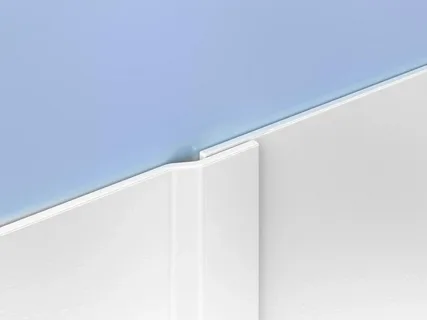
Hygienic wall cladding has become the preferred wall protection solution for businesses and homeowners looking to create clean, durable, and easy-to-maintain environments. Designed to provide a smooth, waterproof surface that can withstand frequent cleaning, hygienic wall cladding is widely used in commercial kitchens, healthcare settings, food production facilities, washrooms, schools, and domestic properties.
Unlike traditional wall finishes, hygienic cladding systems are specifically engineered to support cleanliness, reduce maintenance requirements, and provide long-lasting protection against moisture, impact, and daily wear.
Why Hygienic Wall Cladding Is So Popular
One of the main reasons hygienic wall cladding has become increasingly popular is its ability to create seamless, easy-clean surfaces. Traditional tiled walls often contain grout lines that can discolour, harbour bacteria, and become difficult to maintain over time.
Hygienic wall cladding eliminates many of these issues by providing large, smooth panels that are simple to wipe clean and resistant to moisture penetration. This makes it an ideal solution for environments where hygiene standards must be maintained consistently.
The panels also help protect underlying walls from damage caused by water, chemicals, grease, and everyday use, extending the lifespan of the building interior.
Benefits of Hygienic Wall Cladding
A major advantage of hygienic wall cladding is its low maintenance requirements. The smooth surface prevents dirt and contaminants from becoming trapped, allowing cleaning to be completed quickly and efficiently.
Moisture resistance is another significant benefit. Hygienic wall panels do not absorb water, making them suitable for wet environments such as kitchens, bathrooms, changing rooms, and food preparation areas.
Many cladding systems are also highly durable and capable of withstanding impacts, cleaning chemicals, and heavy daily use. This makes them particularly valuable in commercial and industrial environments where wall surfaces are exposed to constant activity.
The clean and professional appearance of hygienic cladding also helps create brighter and more welcoming spaces.
Types of Hygienic Wall Cladding
There are several types of hygienic wall cladding available to suit different applications and budgets.
PVC hygienic wall cladding is one of the most commonly used options due to its affordability, ease of installation, and moisture resistance. It is suitable for a wide range of commercial and domestic environments.
Antimicrobial wall cladding incorporates specialist technology designed to help inhibit bacterial growth on the panel surface. These systems are often used in healthcare facilities and food processing environments.
Stainless steel wall cladding offers superior durability and heat resistance, making it ideal for commercial kitchens, laboratories, and industrial settings.
Impact-resistant wall cladding is designed for areas exposed to trolleys, machinery, equipment, and high levels of foot traffic.
Applications Across Multiple Industries
Hygienic wall cladding is used throughout numerous industries where cleanliness and durability are essential.
Commercial kitchens rely on hygienic wall systems to maintain food safety standards and create easy-clean working environments.
Healthcare facilities use hygienic cladding to support infection control and provide surfaces that can withstand frequent disinfection.
Food production plants, pharmaceutical facilities, and laboratories benefit from the moisture-resistant and easy-maintenance properties of hygienic wall panels.
Schools, leisure centres, public washrooms, and commercial buildings also use hygienic wall cladding to improve durability and reduce ongoing maintenance requirements.
In domestic properties, hygienic wall cladding is increasingly installed in kitchens, bathrooms, utility rooms, and garages as a modern alternative to tiles.
Installation of Hygienic Wall Cladding
Hygienic wall cladding is typically installed directly onto prepared wall surfaces using specialist adhesives. Panels are measured and cut to fit the space before being fixed securely into position.
Matching trims and profiles are used to finish corners, edges, and joins, helping create a seamless appearance while maintaining hygiene standards.
Silicone sealants are applied where necessary to create watertight joints and prevent moisture ingress behind the panels.
When installed correctly, hygienic wall cladding creates a durable and professional finish that can last for many years.
Long-Term Value and Performance
Investing in hygienic wall cladding can help reduce long-term maintenance costs by eliminating the need for regular repainting, regrouting, or extensive wall repairs.
The panels are designed to resist moisture, mould, staining, and everyday wear, helping maintain their appearance even in demanding environments.
Because hygienic wall cladding is so easy to clean, businesses can also reduce cleaning time while maintaining high standards of hygiene and presentation.
A Practical Solution for Modern Environments
Hygienic wall cladding offers an effective combination of cleanliness, durability, and professional appearance. Whether installed in a commercial kitchen, healthcare facility, food production area, school, or home, it provides reliable wall protection that is built to withstand the demands of everyday use.
With a wide range of materials, thicknesses, and finishes available, hygienic wall cladding remains one of the most practical and cost-effective wall protection solutions for modern interiors.