



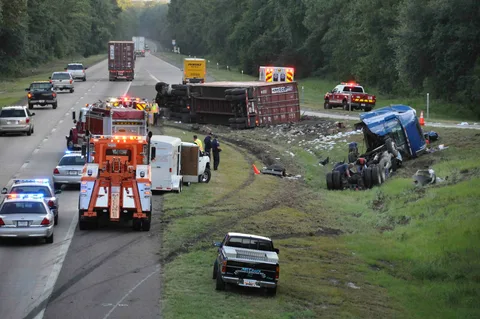
Buses are a vital part of transportation in Dallas. From daily DART routes to private charter services and school buses, thousands of residents and visitors rely on these vehicles every day. While buses are designed for efficiency and capacity, accidents involving them can result in severe injuries and complicated legal claims.
If you’ve been hurt in a collision involving a bus, understanding your rights is essential.
Why Bus Accident Cases Are Legally Unique
Bus accidents differ from typical car crashes in several important ways:
- Multiple passengers may be injured in a single incident
- Corporate or government entities are often involved
- Larger insurance policies are typically at stake
- Transportation regulations may apply
Because bus operators are considered common carriers under Texas law, they owe passengers a heightened duty of care. This means they must take extra precautions to ensure safety. When that duty is breached, injured passengers may have grounds for a claim.
However, determining responsibility can be more complex than it appears.
Who Can Be Held Responsible?
Liability in a bus accident can extend beyond the driver. Depending on the facts of the case, responsible parties may include:
- The bus driver
- The bus company
- A municipal transit authority
- A maintenance contractor
- A manufacturer of defective vehicle components
- Another negligent motorist
If the accident involves a government-operated bus, additional legal rules may apply, including shortened notice requirements and limits on recoverable damages. These procedural details can significantly impact a case if not handled properly.
A knowledgeable Dallas Bus Accident Attorney can evaluate the circumstances and identify every potentially liable party.
Common Causes of Bus Accidents in Dallas
Dallas roadways can present unique challenges for large vehicles. Some of the most frequent causes of bus-related crashes include:
Driver Fatigue or Distraction
Long shifts, traffic congestion, and schedule pressure can increase the risk of driver error.
Inadequate Vehicle Maintenance
Brake failures, worn tires, and steering defects can contribute to serious collisions.
Improper Training
Operating a bus requires specialized skill and experience.
Traffic and Construction Hazards
Busy intersections and highway construction zones increase the risk of multi-vehicle accidents.
Each case requires a detailed investigation to uncover the true cause.
Injuries Often Seen in Bus Accidents
Because many buses lack seatbelts and allow standing passengers, even moderate impacts can result in serious harm.
Common injuries include:
- Traumatic brain injuries
- Neck and back injuries
- Fractures
- Internal injuries
- Soft tissue damage
- Emotional trauma
Passengers may also suffer injuries from sudden stops or swerving, even if no direct collision occurs.
Long-term medical care, rehabilitation, and time away from work can create significant financial strain.
What To Do After a Bus Accident
Taking the right steps immediately after an accident can strengthen your case.
Seek Medical Attention
Even if injuries seem minor, medical documentation is essential.
Obtain an Official Report
Make sure law enforcement or transit authorities document the incident.
Gather Evidence
If possible, collect witness information and take photographs of the scene.
Avoid Discussing Fault
Refrain from giving recorded statements to insurance companies without legal guidance.
Early action can preserve critical evidence that may otherwise be lost.
Types of Compensation Available
Victims of bus accidents in Dallas may be entitled to recover compensation for both economic and non-economic damages.
Economic Damages
- Medical expenses
- Ongoing treatment costs
- Lost wages
- Future loss of earning capacity
Non-Economic Damages
- Pain and suffering
- Emotional distress
- Reduced quality of life
In cases involving gross negligence, additional damages may be pursued.
Calculating the true value of a claim requires a careful assessment of both current and future impacts.
Special Considerations for Public Transit Claims
When a city-operated bus is involved, claims are often subject to the Texas Tort Claims Act. This law sets strict deadlines and limits on lawsuits against government entities.
Failing to meet notice requirements can result in dismissal of a case—even if injuries are severe. Because these deadlines are often shorter than standard personal injury timelines, seeking guidance quickly is critical.
An experienced Dallas Bus Accident Attorney understands the procedural requirements that apply to both private and public transportation cases.
Moving Forward After a Bus Accident
Bus accident claims can quickly become overwhelming. Between medical treatment, insurance communication, and legal procedures, injured individuals often face significant stress.
Having experienced legal representation can help by:
- Conducting a thorough investigation
- Managing communications with insurers
- Protecting your rights against corporate or government defendants
- Pursuing full compensation for long-term recovery
If you or a loved one has been injured in a bus accident in Dallas, taking prompt action can make a meaningful difference. Understanding your legal options today can help protect your financial future tomorrow.