



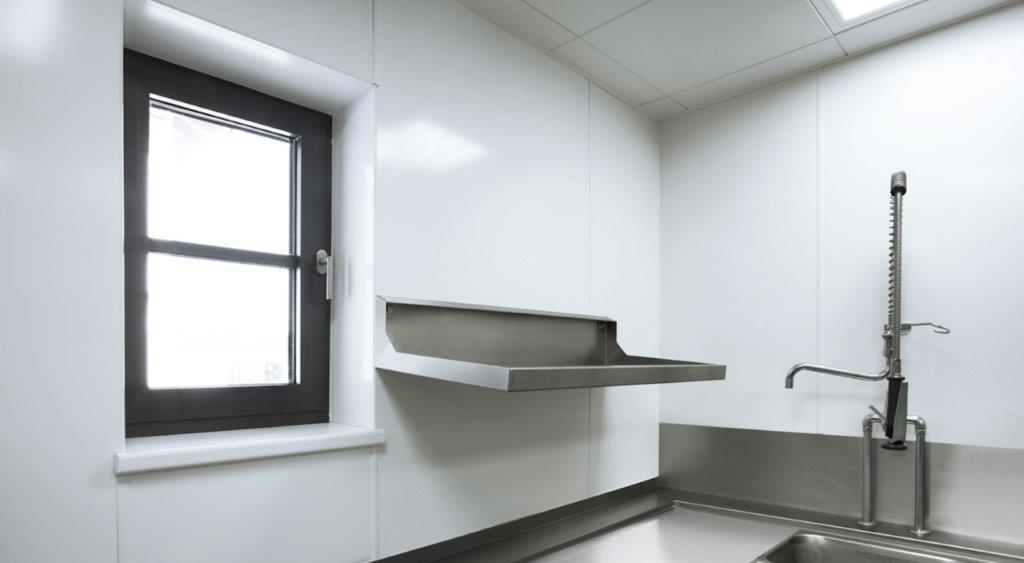
PVC cladding panels for kitchens provide a practical and modern solution for creating clean, moisture-resistant, and easy-to-maintain wall surfaces. Whether used in commercial kitchens, food preparation areas, or domestic homes, PVC wall cladding offers an effective alternative to traditional tiles, painted walls, or plaster surfaces.
Designed to withstand moisture, grease, steam, and daily cleaning, PVC kitchen cladding panels help create hygienic environments while delivering a smooth and professional finish.
Why PVC Cladding Panels Are Ideal for Kitchens
Kitchens are one of the most demanding environments in any building. Walls are regularly exposed to moisture, heat, food splashes, grease, and cleaning products, which can quickly damage traditional wall finishes over time.
PVC cladding panels are specifically designed to handle these conditions. Their smooth, non-porous surface prevents water absorption and makes cleaning quick and straightforward. Unlike tiles, PVC panels also eliminate grout lines where dirt, grease, and mould can accumulate.
This combination of hygiene, durability, and low maintenance makes PVC wall cladding a popular choice for both commercial and residential kitchens.
Key Benefits of PVC Kitchen Cladding Panels
One of the biggest advantages of PVC cladding panels is their hygienic performance. The wipe-clean surface allows grease, stains, and food residue to be removed easily using standard cleaning products, helping maintain a cleaner kitchen environment.
Moisture resistance is another major benefit. PVC panels do not absorb water, making them highly suitable for areas exposed to steam, splashes, and regular cleaning.
PVC cladding panels are also durable and resistant to staining, impact, and daily wear. This makes them ideal for busy kitchens where walls are exposed to constant use.
Ease of installation is another important feature. Compared to tiling, PVC cladding systems can often be installed more quickly and with less disruption.
Commercial Kitchen Applications
In commercial kitchens and food preparation areas, hygiene standards are critical. PVC cladding panels are widely used because they help create compliant, easy-clean surfaces that support food safety regulations.
Restaurants, cafés, catering facilities, takeaway kitchens, and food processing areas all benefit from hygienic PVC wall systems. The panels help reduce maintenance requirements while creating a professional and sanitary working environment.
Heavy-duty and impact-resistant PVC cladding options are also available for commercial kitchens exposed to high levels of activity and frequent cleaning.
Domestic Kitchen Applications
PVC cladding panels are also becoming increasingly popular in domestic kitchens. Homeowners often choose PVC wall systems as a modern alternative to traditional splashback tiles or painted walls.
The panels are easy to maintain, resistant to moisture, and available in a variety of finishes and colours to suit different kitchen styles. White PVC cladding remains a popular choice for clean and bright interiors, while coloured or decorative panels can create more contemporary designs.
PVC panels are especially useful in family homes where walls need to withstand regular cooking, cleaning, and daily use.
Installation and Finishing Components
Installing PVC cladding panels in kitchens is generally straightforward. Walls should first be cleaned and prepared to ensure proper adhesion.
Panels are cut to size and fixed directly to the wall using specialist adhesives. Trims and profiles are installed around corners, joins, and edges to create a sealed and professional finish.
Silicone sealants are applied where necessary to create watertight joints and prevent moisture ingress behind the panels.
Matching ceiling cladding, skirting, and coving systems can also be used to create a complete hygienic kitchen environment.
Maintenance and Long-Term Performance
One of the main reasons PVC cladding panels are so popular in kitchens is their low maintenance requirements. Regular cleaning with mild detergents or standard kitchen cleaning products is usually enough to maintain appearance and hygiene.
The panels resist mould, moisture, and staining, helping them retain their finish over time without the need for repainting or regrouting.
Their durability also makes them a cost-effective long-term wall protection solution for both commercial and domestic kitchens.
A Modern Alternative to Traditional Kitchen Walls
PVC cladding panels for kitchens provide a clean, practical, and durable wall solution suitable for a wide range of kitchen environments. Their ability to combine hygiene, moisture resistance, and easy maintenance makes them one of the most effective alternatives to traditional wall finishes.
Whether used in commercial food preparation areas or modern home kitchens, PVC cladding panels deliver long-lasting performance while helping create cleaner, more efficient, and visually appealing spaces.