



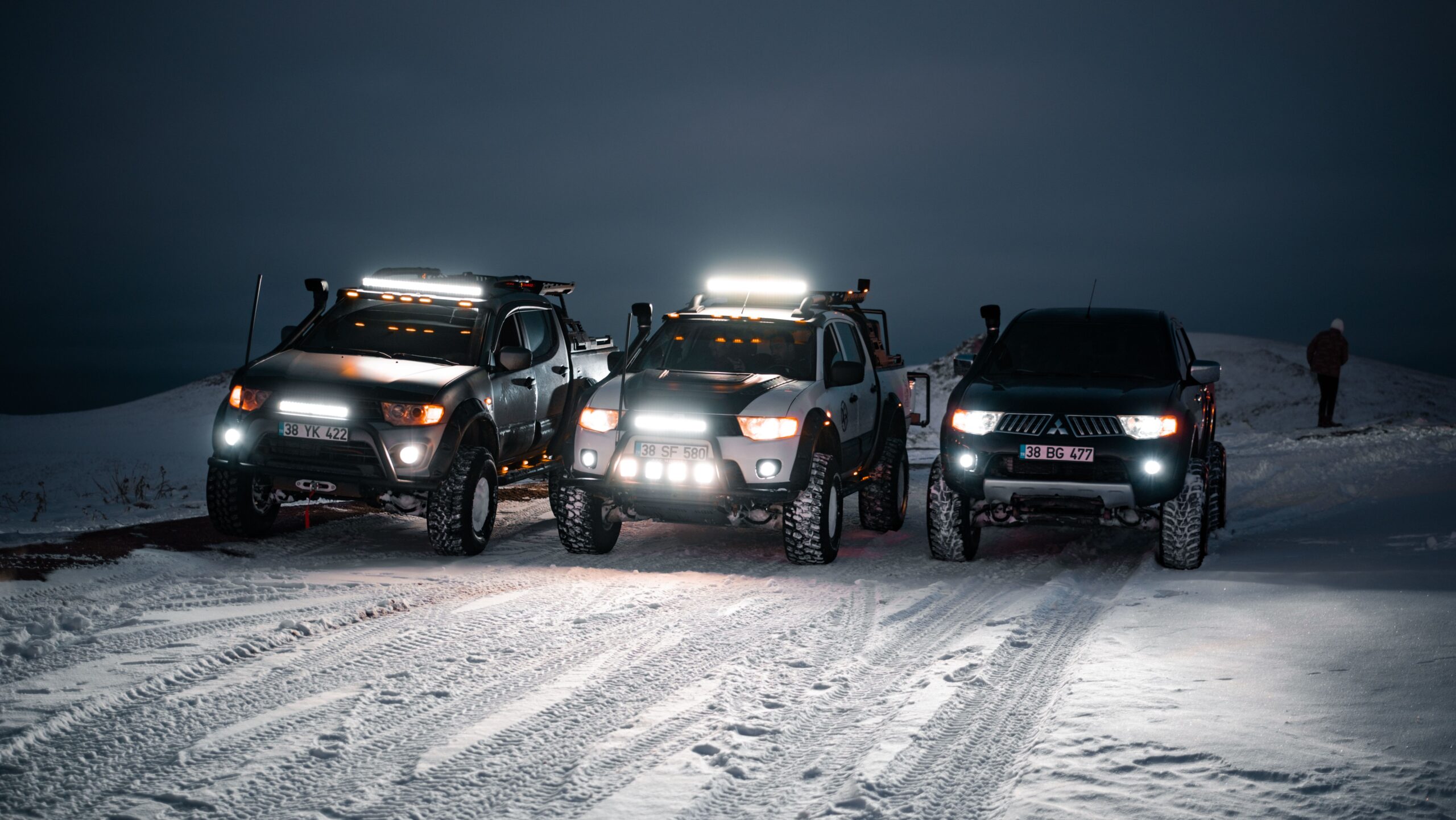
When a vehicle heads into the deep backcountry, harsh terrain can easily destroy standard factory high beams. Harsh elements like loose gravel or jagged branches can easily cause inferior lights to crack or fail completely. True off-road illumination requires heavy-duty gear built to survive these rugged environments. Upgrading your lighting ensures the journey continues safely long after the sun sets.
Choosing the right setup means looking beyond simple brightness ratings to focus heavily on structural integrity. A light that shatters on the first low-hanging tree branch is completely useless, no matter how many lumens it claims to produce. Experienced trail riders know that true reliability comes from specific engineering choices designed to deflect impacts and absorb heavy vibrations. Understanding these build mechanics helps drivers select components that will actually make it back to civilization in one piece.
Demanding Virtually Indestructible Housings
The external shell of an auxiliary light serves as the primary line of defense against harsh trail hazards. Cheap plastics quickly become brittle under intense sunlight and crack under the slightest impact from kicked-up stones. Premium manufacturers rely heavily on aircraft-grade aluminum housings that offer maximum strength without adding excessive weight to the vehicle mount.
These metal casings are often coated with specialized powder finishes to prevent corrosion caused by constant moisture or salty mud. Internal components need just as much protection from the violent shaking that occurs on washboard roads. Premium housings feature advanced dampening systems that cradle the delicate electronics within a shock-absorbing matrix.
This specific design architecture prevents internal circuitry from snapping loose during high-speed desert runs or rocky technical crawls. When a housing is engineered properly, it acts as a permanent shield that preserves the functionality of the light for years.
Selecting Unyielding Lens Materials
Standard glass lenses are an absolute liability when driving through thick brush or following closely behind another vehicle on gravel trails. Polycarbonate materials have completely changed the game by offering impact resistance that easily outperforms traditional glass alternatives. This advanced material behaves more like a dense shield, bending slightly to absorb energy rather than shattering into dangerous shards. Many high-end brands apply hard coats to the exterior surface to prevent fine scratches from dulling the beam over time.
Optical clarity remains crucial for tough lenses. Poorly made materials can warp or yellow over time, which drastically reduces total light output after a few months of intense UV exposure. High-quality polycarbonate maintains perfect transparency while resisting thermal stress from internal electronics. Ensuring the lens can take a direct hit keeps the path ahead illuminated perfectly.
Demanding Superior Vibration Isolation
Constant rattling on rough trails is a silent killer for cheap electrical components. Over time, microscopic vibrations fatigue metal mounts and loosen critical waterproof seals. To combat this, heavy-duty lighting systems utilize robust stainless steel brackets to anchor the units firmly to the vehicle frame.
These mounts frequently incorporate thick rubber bushings that isolate the actual light from the violent movements of the bumper or roof rack. Without this precise vibration management, even the toughest exterior shell will eventually suffer from internal component failure. Wiring harnesses can rub against sharp internal metal edges, causing sudden electrical shorts. This protective setup shields the delicate wiring from the harsh friction created by unpaved roads.
Solder joints on the circuit boards can also develop hairline fractures from the constant pounding. Choosing gear with integrated vibration dampening safeguards your investment and guarantees the lights turn on when darkness surrounds the camp. Reliability on the trail depends entirely on handling constant, rhythmic shaking.
Understanding Advanced Waterproof Standards
Dust and moisture are constant enemies during river crossings or desert drives. To prevent short circuits, rugged lights use airtight silicone gaskets and pressure vents that let the unit breathe without letting moisture inside.
Standardized ingress ratings offer a clear picture of this environmental resistance. Top-tier systems survive complete water submersion and high-pressure washing, keeping internal electronics bone dry and preserving your long-term investment. These independent metrics remove the guesswork by proving exactly how much abuse a fixture can handle on the trail. Investing in verified hardware means drivers never have to worry about sudden equipment failure during deep river crossings.
Discovering Real World Toughness
Seeing how these rugged concepts function in real environments helps narrow down the best choices for a vehicle. High-quality gear like c23 lights serves as a prime example of blending high-impact polycarbonate lenses with ultra-tough aluminum housings to withstand severe trail abuse. These specific designs prove that equipment can look sleek while still delivering the raw durability needed to survive extreme overlanding conditions. Examining how top-tier gear handles actual trail punishment removes the guesswork from upgrading a rig.
Sticking with proven build quality avoids the frustration of replacing cheap, broken lights every season. Serious drivers prioritize products backed by comprehensive warranties against defects and environmental damage. When gear is engineered for the worst conditions, drivers can focus entirely on the trail ahead. Finding this balance of strength and performance ensures the adventure continues when the pavement ends.
Conclusion
Surviving the backcountry requires a vehicle build where every single component is tough enough to handle unexpected impacts. Prioritizing rugged aluminum housings with impact-resistant lenses creates a highly waterproof lighting system that lasts. Investing in rugged gear ensures maximum safety during night operations and protects the vehicle from sudden darkness in remote locations. True peace of mind comes from knowing the lights are just as tough as the truck they are bolted to.