



Being a landlord comes with more responsibility than just collecting rent and fixing leaky faucets. When winter rolls around, your heating system becomes one of the most legally and personally important parts of your property — and getting it wrong can cost you far more than a repair bill. Ensuring a reliable heat source is the most effective way to protect your physical asset and your professional reputation simultaneously.
Understanding What the Law Actually Requires
Most states require landlords to maintain a minimum indoor temperature, typically between 68°F and 76°F during the day and around 64°F at night during the colder months. These aren’t suggestions — they’re legal obligations, and tenants have every right to report violations to local housing authorities. Ignoring them can lead to fines, lawsuits, or even forced rent withholding. Proactive compliance prevents minor thermostat disputes from escalating into costly legal battles with the city.
What surprises many landlords is how vague local codes can be. Some cities spell everything out clearly, while others leave room for interpretation, which is why it pays to call your local housing office and ask directly rather than assume you’re covered. Staying informed about specific municipal mandates ensures you are never caught off guard by a surprise inspection.
Scheduling Maintenance Before Problems Start
A heating system that breaks down in January isn’t just an inconvenience — it’s a liability. The best time to catch small issues is before the cold season hits, ideally in early fall when HVAC technicians aren’t slammed with emergency calls. Pre-season inspections allow you to address worn components on your own timeline rather than during an emergency.
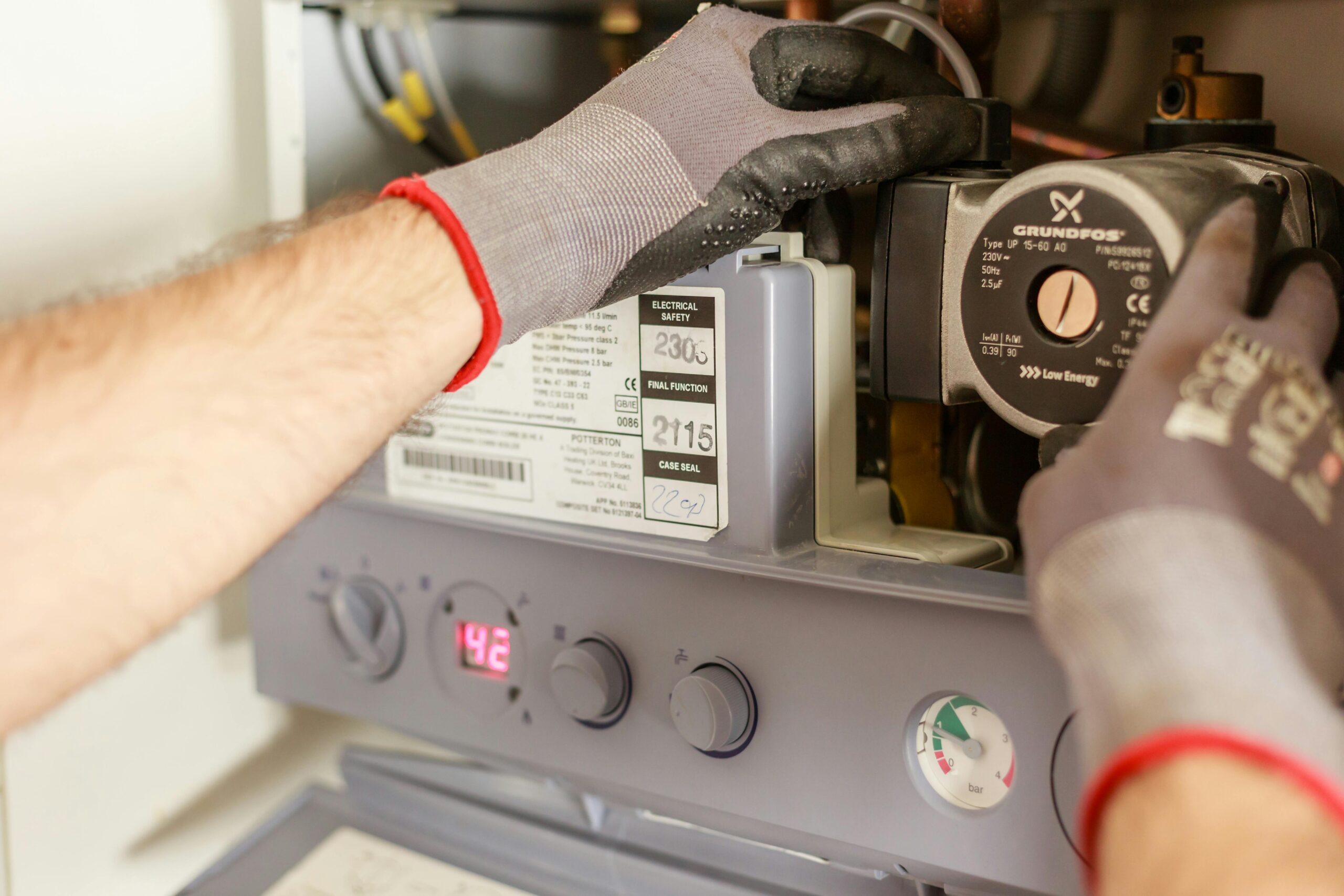
A standard tune-up usually includes checking the heat exchanger (the part that transfers heat into your home’s air), cleaning the burners, and making sure carbon monoxide levels are safe. Companies like TRS Heating and Air Conditioning are an example of the kind of local service provider that handles seasonal maintenance for residential and rental properties. Getting on a regular schedule — even once a year — can extend the life of your system and dramatically reduce the chance of a mid-winter breakdown.
Knowing When to Repair and When to Replace
Most heating systems last between 15 and 20 years with proper care, but age alone shouldn’t be your only deciding factor. If you’re calling for repairs more than once a season or your energy bills keep climbing without explanation, those are signs the system is working harder than it should. Identifying the “tipping point” of repair costs can save you thousands in wasted service calls over several years.
Replacing an old, inefficient system can actually be the more affordable long-term move, especially if you’re managing multiple units. A newer system runs more efficiently, which means lower utility costs — and in buildings where heat is included in the rent, that difference goes straight to your bottom line.
Keeping Tenants in the Loop Without Oversharing
Good communication with tenants around heating issues goes a long way. If you’re scheduling maintenance or expecting a technician, give at least 24 to 48 hours notice — it’s courteous, and in many states, it’s required by law. Clear notice minimizes tenant frustration and ensures the technician has unimpeded access to the unit.
You don’t need to walk tenants through every technical detail, but a quick message saying the system is being serviced and what to expect sets a professional tone. Tenants who feel informed are far less likely to panic and file a complaint over something routine.
Handling Complaints the Right Way
When a tenant says their unit isn’t warm enough, the worst thing you can do is dismiss it or delay. Start by asking a few basic questions — is it one room or the whole unit, did it stop working suddenly or gradually, and have they changed the thermostat settings recently? Those answers alone can help you figure out whether it’s a system issue or something simpler.
If the problem turns out to be a real heating failure, respond quickly and document everything — the complaint, your response, the repair timeline, and the outcome. That paper trail protects you if the situation ever escalates into a formal dispute.
Conclusion
Managing heating systems across rental properties isn’t glamorous work, but it’s some of the most important work you’ll do as a landlord. Staying compliant, keeping up with maintenance, and treating tenant concerns seriously aren’t just legal checkboxes — they’re the foundation of a rental property that holds its value and keeps good tenants around longer. When your heating system is running well, everything else about managing the property gets a little easier.