



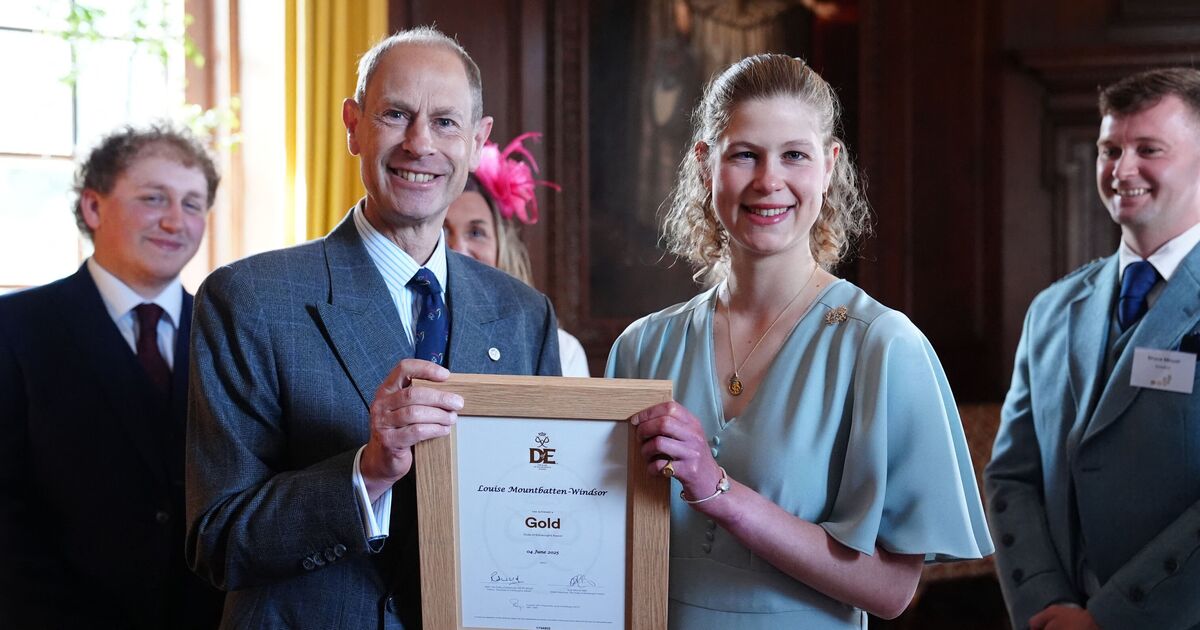
For over six decades, the Duke of Edinburgh’s International Award has been shaping young people around the globe, encouraging them to step outside their comfort zones, discover new skills and build lasting resilience.
In Australia, the program (affectionately known as “Duke of Ed”) continues to inspire teenagers and young adults to challenge themselves, connect with their communities and become truly world-ready.
Whether you’re a parent researching the program for your child, an educator considering it for your school, or a young person curious about what it involves, this article breaks down everything you need to know.
What Is the Duke of Edinburgh Award?
The Duke of Edinburgh’s Award (DofE) is an internationally recognised youth development programme founded in 1956 by Prince Philip, the Duke of Edinburgh.
It was designed to give young people practical, non-formal learning experiences that build character, confidence and life skills outside the traditional classroom setting.
Today, the Award operates in more than 130 countries, and in Australia it’s delivered through schools, community groups and youth organisations nationwide.
Participants aged 14 to 25 can work towards three progressive levels:
- Bronze Award – the entry level, suited to younger participants starting their journey
- Silver Award – a step up in commitment and challenge
- Gold Award – the pinnacle achievement, often recognised by universities and employers
Each level requires participants to commit to structured activities over several months, culminating in a sense of genuine personal achievement.
The Four Sections of the Award
To earn their Award, participants must complete four core sections, each targeting a different aspect of personal growth.
Voluntary Service
This section encourages participants to give their time to help others, whether that’s volunteering at a local charity, assisting with community events, or supporting an environmental initiative. The goal is to foster empathy, teamwork and a sense of civic responsibility.
Physical Recreation
Participants choose a physical activity to develop fitness and wellbeing. This could be anything from netball and swimming to martial arts or hiking. The emphasis is on consistency and improvement over time, not necessarily elite performance.
Skills
The skills section allows young people to explore a hobby or interest that isn’t physical in nature. Popular choices include music, cooking, coding, photography and creative writing. It’s an opportunity to nurture talents that might otherwise go unexplored.
Adventurous Journey (Expedition)
Arguably the most memorable part of the programme, this section requires participants to plan, train for and undertake a team-based expedition, typically bushwalking, canoeing or cycling, in unfamiliar terrain. It tests navigation skills, teamwork and problem-solving under real conditions.
For those completing their Gold Award, there’s an additional requirement: a Residential Project, which involves living away from home for five consecutive days while working on a shared goal with people they’ve never met before.
Why the Duke of Edinburgh Award Matters
Beyond the certificate itself, the Award offers young Australians a framework to build genuine, transferable life skills. Some of the benefits include:
- Confidence and independence gained through stepping outside familiar routines
- Teamwork and leadership developed during group expeditions and volunteering
- Resilience built by working through setbacks and unfamiliar challenges
- Recognition from universities, employers and organisations who value the Award as evidence of initiative and commitment
- Lifelong memories created through shared adventures with peers
Many alumni describe the Award as a defining chapter of their adolescence, one that shaped not just their CV, but their character.
Getting Started: How to Enrol
Enrolling in the Duke of Edinburgh Award in Australia usually happens through a registered Award Unit, most commonly a school, but also youth groups, community centres and outdoor education providers.
Once registered, participants are paired with an Award Leader who guides them through goal-setting, activity planning and progress tracking via the official online record book.
For those planning their Gold or Silver expedition component, it’s worth partnering with an experienced outdoor education provider who understands the safety requirements, logistics and skill-building needed for a successful adventurous journey.
If you’re exploring options for the year ahead, this guide to the duke of edinburgh award 2025 programme is a useful starting point for understanding what’s involved and how to prepare.
A Firsthand Look at the Journey
Hearing directly from Award participants and alumni is often the best way to understand what the experience is really like. The Duke of Edinburgh’s Award Australia has shared numerous videos capturing these stories.
One worth watching is “Experiences that last a lifetime – The Duke of Edinburgh’s Award in Australia,” which showcases young Australians reflecting on how the programme challenged and changed them.
You can watch it here: Experiences that last a lifetime – YouTube.
Tips for a Successful Award Journey
If you or your child are about to begin the Duke of Edinburgh Award, keep these pointers in mind:
- Choose activities you genuinely enjoy rather than what looks impressive on paper — motivation matters more than prestige
- Start early and pace yourself, especially for the Gold level, which requires a longer time commitment
- Communicate with your Award Leader regularly to stay on track and log progress correctly
- Prepare thoroughly for the expedition, including navigation practice, fitness training and gear checks
- Reflect on your experiences throughout the journey, not just at the end, to get the most personal value from the programme
Final Thoughts
The Duke of Edinburgh Award isn’t just another line on a resume, it’s a genuine opportunity for young Australians to grow, challenge themselves and discover capabilities they didn’t know they had.
From volunteering in local communities to trekking through remote bushland, every section of the Award is designed to build character in a way that classroom learning simply can’t replicate.
Whether you’re just starting your Bronze Award or gearing up for the demanding Gold expedition, the journey is as valuable as the destination.
With the right preparation, support and mindset, the Duke of Edinburgh Award can become one of the most rewarding experiences of a young person’s life.